Five Places Wealthy British Families Love to Hide
British wealth has always had a complicated relationship with visibility. The older it is, the less it wants to be seen. The destinations that genuinely affluent British families return to year after year have nothing to do with stars or rankings. They are simply places that have no interest in being discovered, and every interest in remaining exactly as they are.
Here are five of them.
Daylesford, The Cotswolds
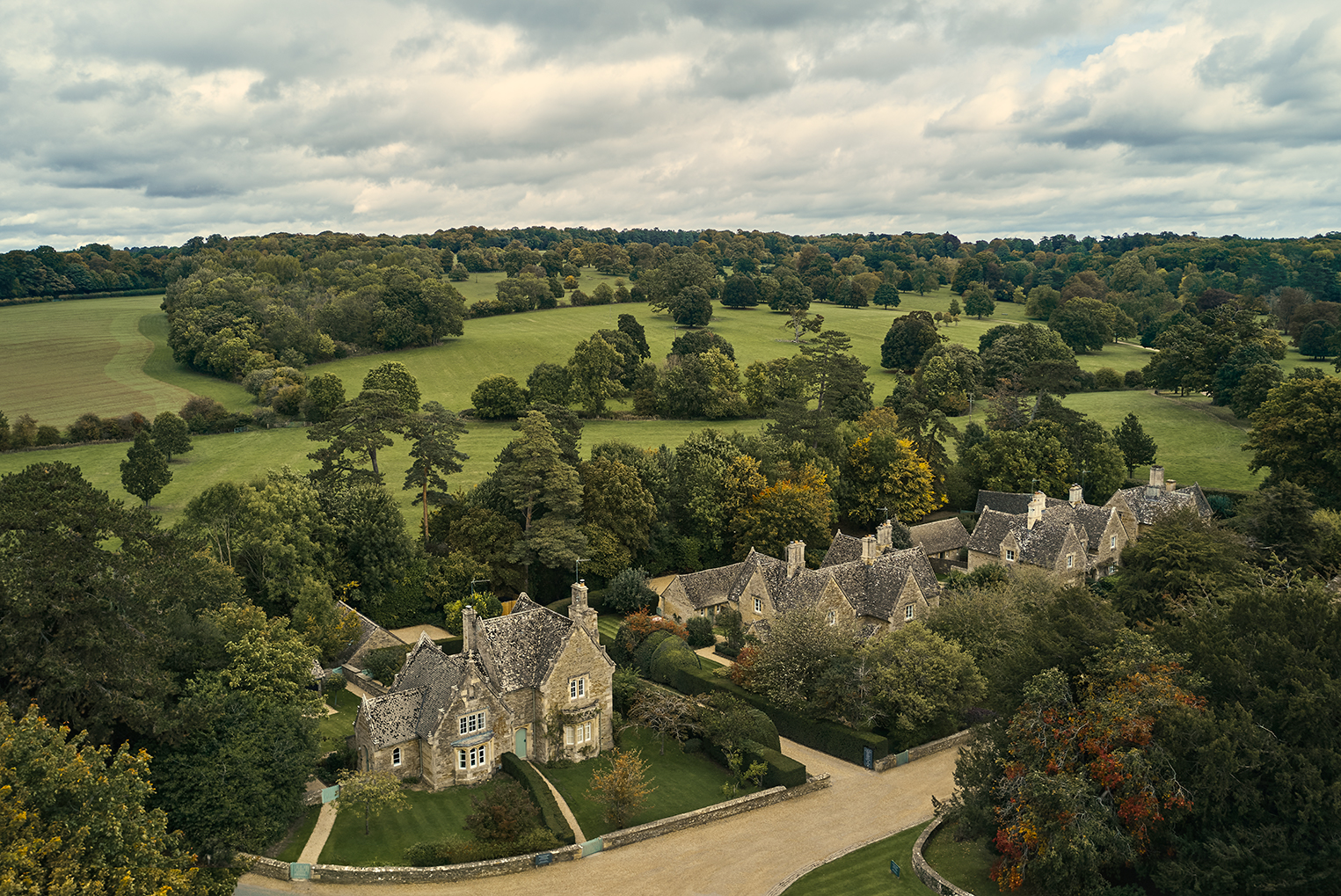
Daylesford began as an organic farm and has remained one at its core, which is what separates it from every other country retreat that uses the language of provenance without the substance. The spa, the farmhouse accommodation, and the cooking school sit within an estate that actually grows what it serves. London society has known about it for long enough that the drive from the city on a Saturday morning has become a ritual rather than a discovery. It draws a crowd that could be anywhere in the world and chooses to be here, which says everything about what Daylesford has quietly become.
Isle of Skye, Scotland
Nobody who knows the Isle of Skye talks about it the way travel writing usually requires. The cliffs are dramatic in a way that photographs cannot fully account for, the single-track roads enforce a pace that most visitors find initially frustrating and then deeply necessary, and the private lodges tucked into the landscape offer a solitude that old British money has always instinctively sought. Families disappear here for weeks at a time. They do not post about it. That is rather the point.
The Newt, Somerset
The Newt resists every convention of what a luxury hotel is supposed to be and is considerably better for it. A working farm first and a hotel second. They press their own cider, make their own cheese, and cultivate over three hundred varieties of apple alongside a kitchen garden that supplies everything the restaurant needs. The experience is not countryside as aesthetic but countryside as genuine practice, a distinction that becomes apparent within the first hour. There is not a single cliché anywhere on the property, which in the world of British country hotels is a considerable achievement.
Heckfield Place, Hampshire
Four hundred acres of Hampshire estate, a biodynamic farm, and a kitchen run by Skye Gyngell that operates at a level that would hold its own in any capital city. Heckfield Place is the kind of property that old English money recognises immediately. The architecture is serious, the grounds are exceptional, and the whole operation has the quiet confidence of somewhere that has thought carefully about what it is and has no intention of being anything else. No flash anywhere. That absence is the most deliberate thing about it.
Isle of Jura, Scotland
Jura has one road, one distillery, and fewer than two hundred permanent residents. George Orwell came here to write and finished 1984 in a farmhouse on the northern tip of the island, which tells you something about the quality of isolation on offer. British wealth comes to Jura to be completely unreachable. Not in the performative way that some remote destinations encourage, but in the genuine sense that the infrastructure simply does not support being found. The whisky is exceptional, the landscape is extreme, and a week here changes what quiet actually means.
Britain’s finest destinations do not have Instagram accounts. They have waiting lists, returning guests, and a studied indifference to being written about. They will survive the attention.
BC arranges private access, accommodation, and itinerary planning across all five destinations for members. Enquiries through the usual channel.