Billionaire Guide to St Barts: Luxury Travel, Villas, Hotels & Yachts
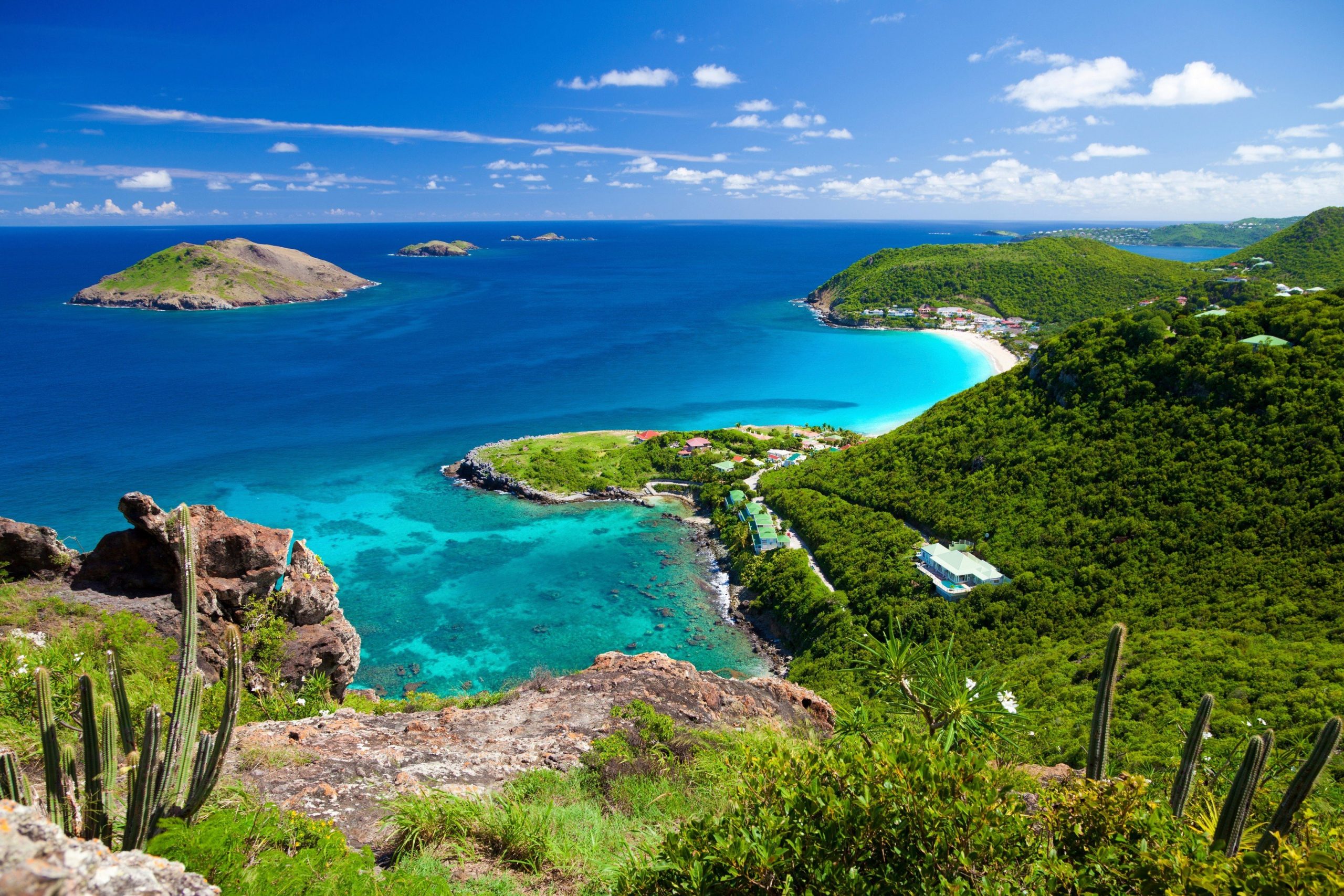
There is a moment, on the short flight in from St Maarten, when the aircraft clears the ridge above the airport, drops sharply towards a runway that seems to end in the sea, and St Barts comes into view all at once. Red roofs on green hillsides, a harbour full of yachts, a scatter of white beaches. The island is small enough to drive across in a matter of minutes, and it has been, for decades, one of the most coveted winter destinations in the world. It is French, discreet, expensive and very well run, and at its best it offers something rarer than luxury: ease.
That ease is carefully earned. Behind a relaxed week on St Barts sits a surprising amount of planning. There are flights that only small aircraft can make, and villas that, over the festive season, may be secured a year ahead. Provisions arrive by sea, and there is a festive season in which almost every part of the island is operating at capacity. This guide is written from the perspective of people who arrange these stays. It covers where to stay, how to arrive, when to come and what we would actually advise.
The Island in Brief
St Barthélemy, known as St Barts or St Barths, is a French island in the northern Caribbean, a short hop from St Martin. Its capital, Gustavia, is a small harbour town of boutiques, restaurants and yachts, named for a Swedish king from the island’s period under Swedish rule. Around it, the island unfolds in steep hills, winding roads and more than a dozen beaches, each with its own character.
The atmosphere is French rather than Caribbean in the way many visitors expect. The language, the food, the wine and the rhythm of the day all carry that influence. Dress is relaxed but polished, lunches are long, and the island has no high-rise hotels, casinos or cruise terminals. That restraint is a large part of its appeal.
Arriving: St Maarten, the Short Hop and the Harbour
St Barts cannot be reached directly by long-haul aircraft. Its airport has a short runway and a famously steep approach, so only small aircraft flown by specially qualified pilots can land. Most travellers fly into St Maarten and continue from there.
| Route | Character | Often suited to |
|---|---|---|
| Private jet to St Maarten | Princess Juliana International Airport, on the Dutch side of neighbouring St Martin, is the usual gateway for private and long-haul flights | Almost all arrivals from Europe and North America |
| Short flight to St Barts | A brief hop on a small aircraft, scheduled or private, landing at St Barts’ own airport | The quickest and most common final leg |
| Private boat transfer | A crossing from St Martin directly to Gustavia or a nearby bay | Travellers with substantial luggage or those who prefer the sea, subject to conditions |
| Ferry | Scheduled service between St Martin and Gustavia | Travellers who prefer a scheduled sea connection, subject to conditions |
| Helicopter | Direct transfers from St Martin, where available | Travellers who want speed and a view, subject to weather |
Two details matter more than most visitors realise. The small aircraft into St Barts have strict weight limits, so large amounts of luggage may travel separately, sometimes on a later flight. The island’s airport also operates only in daylight. A late arrival into St Maarten can therefore mean a night on St Martin or a boat crossing rather than a flight. A well-planned arrival matches the long-haul landing time to the last hop, sends luggage ahead where needed and has a car waiting at the other end.
Where to Stay in St Barts
The first decision on St Barts is between a hotel and a villa. Both can be exceptional, and they offer very different kinds of stay.
Luxury Hotels
St Barts’ leading hotels are small, and many sit directly on the sand. Eden Rock, on its promontory in the middle of St Jean Bay, is one of the island’s landmarks, with rooms, suites and villas spread across the rock and along the beach. Cheval Blanc St-Barth Isle de France sits on Flamands, one of the island’s broadest and calmest beaches, with a polished, residential feel. Le Sereno and Rosewood Le Guanahani face the reef-protected lagoon of Grand Cul-de-Sac, and Le Barthélemy sits beside them. Hotel Le Toiny, on the wilder south-east coast, offers suites with private pools and a sense of seclusion.
Each has its own character. Some are lively and social, and others quiet and secluded. Some are ideal for couples, others for families. The best hotel for one guest can be quite wrong for another, and in the festive season all of them are committed well in advance.
Luxury Villas
For many visitors, a private villa is the essential St Barts experience. The island has a remarkable number of them, from contemporary hillside houses with infinity pools and sweeping sea views to beachfront homes and large estates suited to extended families and groups. Pointe Milou, Lurin, Colombier, Flamands, Gouverneur, Toiny and the hills above St Jean all have their own appeal, from sunset views to proximity to a particular beach.
A villa offers privacy, space, a household of one’s own and the freedom to live on the island rather than simply stay on it. Views are often extraordinary. The trade-offs are practical: many villas sit on steep hillsides reached by narrow roads, some are a drive from the nearest beach, and the experience depends heavily on how well the house is staffed and managed.
Villas Versus Hotels
A hotel suits a shorter stay, a couple, or a traveller who wants service, a beach and restaurants on the doorstep. A villa suits families, groups, longer stays and anyone who values privacy and space above convenience. Many of our clients combine the two, with a few nights at a hotel on arrival and then a villa for the rest of the stay. Others take a villa and keep a hotel beach club or restaurant as their daytime base.
The Villa Household: Staff, Chefs and Provisioning
A St Barts villa is only as good as the household around it. Housekeeping is usually included, but a butler or villa manager, a private chef, a driver and childcare are often arranged separately. Staff generally do not live in, so their hours and responsibilities need defining in advance. The best stays are the ones where the house is ready before the family arrives, with bedrooms arranged, the pantry stocked and the chef briefed on preferences, allergies and the week’s plans.
Provisioning deserves particular attention. Most goods arrive on St Barts by sea or air, the island’s shops are small, and particular wines, produce or brands can be scarce or expensive, especially over the festive season. Villa guests who want specific items should order them well in advance. A good provisioning list, sent weeks before arrival, is one of the simplest ways to make a villa stay feel effortless.
Gustavia
Gustavia is the island’s heart: a small harbour ringed by red-roofed buildings, boutiques, galleries, restaurants and bars. In season, the quay is lined with superyachts, and the town’s lanes hold outposts of many of the great fashion and jewellery houses alongside independent boutiques. Shell Beach, a short walk from the harbour, is the closest beach to town and a favourite for a late afternoon swim.
Gustavia is lively in the evenings, particularly in high season, and parking is limited. For dinner in town, a driver or a short walk from a nearby hotel or villa is often easier than taking a car.
St Jean
St Jean is the island’s other centre, on the bay beside the airport, where small aircraft land just metres from the beach. It has shops, beach restaurants and a lively atmosphere, with Eden Rock at its heart. For travellers who want energy, lunch on the sand and a sense of being at the centre of things, St Jean is hard to beat. For those who want quiet, the island’s other beaches are a short drive away.
The Beaches
St Barts has more than a dozen beaches, and each has a distinct character. Choosing the right beach for the day, and for the wind, is part of the island’s rhythm.
| Beach | Character | Often suited to |
|---|---|---|
| St Jean | Lively bay beside the airport, with restaurants and beach clubs | Long social lunches and people-watching |
| Flamands | Broad, calm beach on the north coast | Families, long walks and quieter days |
| Colombier | Secluded cove reached only by boat or on foot | A day at anchor, snorkelling and seclusion |
| Gouverneur | Dramatic bay on the south coast, reached by a steep road | Natural beauty and quiet |
| Saline | Undeveloped beach with no buildings on the sand | Natural surroundings and beach lunches nearby |
| Grand Cul-de-Sac | Shallow, reef-protected lagoon | Families, calm water and watersports |
| Shell Beach | Small beach within walking distance of Gustavia | A swim close to town |
Some beaches are sheltered, and others face the prevailing winds and Atlantic swell. The eastern and southern coasts can be rougher, and not every beach is suited to swimming on every day. A good local driver or villa manager will know which beach suits the conditions.
Lunch, Dinner and the Beach Clubs
Lunch is the centre of the St Barts day. Long, unhurried meals at beach restaurants, feet in the sand and rosé on the table, are as much a part of the island as its beaches. St Jean is the busiest for this, with Saline, Grand Cul-de-Sac and the island’s other bays offering quieter alternatives. Evenings are more polished, with dinner in Gustavia, at a hotel restaurant or at a villa with a private chef.
In high season, the best tables at lunch and dinner are committed in advance, and over Christmas and New Year they can be the hardest reservations on the island. Some restaurants operate minimum spends at peak times, and a few close for part of the year. Planning the key meals of a stay before arrival, and leaving other days open, is usually the right balance.
Yachts and Luxury Yacht Charter
The sea around St Barts is as central to the island as its land. Superyachts gather in and around Gustavia in season, and many visitors spend at least a day on the water: anchoring off Colombier, snorkelling, lunching on board, or sailing to the neighbouring islands of St Martin, Anguilla or beyond.
For some, a yacht is the entire stay. A luxury yacht charter in the Caribbean season can be based around St Barts, with the island as a port of call for dinners, shopping and beach days, and the yacht as a floating villa. Berths in Gustavia’s harbour are limited, particularly over New Year, and many yachts anchor outside it. The trade winds and swell also shape where and when a yacht can comfortably anchor. Combining a villa ashore with a day charter or a longer yacht charter can give a family the best of both.
Getting Around: Cars and the Island’s Roads
St Barts is small, but its roads are narrow, steep and winding, and many villas sit on hillsides reached by tight turns. Most visitors rent a small car, often delivered to the airport or the villa, and drive themselves. In high season, rental cars need booking in advance. Drivers are available for those who prefer not to drive, particularly for evenings in Gustavia, where parking is limited, and for families with young children.
The island’s scale is part of its charm: nowhere is far. But a steep villa driveway, a busy evening in Gustavia and an unfamiliar road in the dark can all make a driver worthwhile.
Christmas and New Year
The festive season is St Barts at its most intense. From Christmas to New Year the island is full: villas are booked many months ahead, often with long minimum stays, and the best hotels, restaurants, cars, chefs and flights are committed early. Gustavia’s harbour fills with superyachts, and New Year’s Eve, with fireworks over the harbour, is one of the most sought-after nights in the Caribbean.
For anyone planning this period, the rule is simple: start early. The villa comes first, and the rest of the stay depends on it. Flights and the final hop from St Maarten, cars, private chefs, key restaurant reservations and any celebrations should follow in quick succession. The island’s inventory is small, and in this fortnight nothing is left over.
Best Time to Visit St Barts
St Barts has a clear season, and choosing the right time to visit depends on what a traveller wants from the island. The periods below illustrate how demand moves. The island’s private side, with its villa dinners, yacht gatherings and invitation-only parties, matters to many visitors as much as anything on the public calendar.
| When | What happens | What it means |
|---|---|---|
| Mid-December to early January | Christmas and New Year | The island is at maximum demand, with the highest rates and the longest minimum stays |
| January to April | The main winter season, with regattas and superyacht events in spring | Dry, sunny weather and a lively island, with somewhat more availability than the holidays |
| May to July | The early summer season | Quieter and warmer, with good availability and a more relaxed atmosphere |
| August to October | The heart of the Atlantic hurricane season | Many hotels and restaurants close for part of this period for maintenance, and the island is very quiet |
| November | The reopening of the season | The island comes back to life before the holidays, with good weather and fewer visitors |
For many travellers, the best time to visit St Barts is outside the festive fortnight: January to April for the classic season, or late spring and November for a quieter island. The Atlantic hurricane season runs through the summer and autumn, and while many visitors enjoy the island in early summer, travel in the heart of the season needs careful thought and flexible plans.
Privacy
St Barts has long attracted visitors who value discretion, and the island’s scale and absence of large resorts help. At the same time, St Jean and Gustavia can be very visible in high season, particularly around New Year. For guests who value privacy, a secluded villa, a quieter beach, a boat day at Colombier and dinners at home with a private chef are often the most rewarding parts of a stay. Discreet security can be arranged where appropriate, and a good villa manager will know how to keep a household’s comings and goings private.
What First-Time Visitors Misunderstand
A handful of St Barts realities surprise first-time visitors. The island’s short runway cannot accommodate conventional long-range private jets, so the final leg is almost always a small aircraft, a boat or a helicopter. Luggage allowances on those small aircraft are limited, and the island’s airport operates only in daylight. The best villas, restaurants and cars over Christmas and New Year are committed many months ahead. Provisions are more limited and more expensive than on the mainland. Roads are steep and narrow, and some villas are further from the beach than they appear. Not every beach suits swimming every day. And many hotels and restaurants close for part of the late summer and autumn.
What We Would Advise
After years of arranging stays on the island, a few principles stand out.
Book the villa or hotel first, and early, particularly for the festive season. Everything else depends on it. Choose the villa for how the family will actually live there, not only for the view. Proximity to the right beach, access, the layout of the bedrooms and the quality of the household matter as much as the infinity pool.
Plan the arrival as carefully as the stay. Match the long-haul landing time to the last hop, send large luggage ahead and have a car waiting. Brief the villa staff and chef well in advance, and send a provisioning list weeks before arrival.
Reserve the key meals and leave room for spontaneity. A few fixed lunches and dinners, the ones that matter most, and the rest of the week left open, is usually the right rhythm for St Barts.
Spend at least one day on the water. A boat day to Colombier, or a longer yacht charter, shows the island from a different angle.
And consider coming outside the festive fortnight. January to April offers the island at its classic best with a little more breathing room, and the shoulder seasons offer a quieter St Barts that many regular visitors prefer.
Frequently Asked Questions
How do you get to St Barts?
Most travellers fly into Princess Juliana International Airport on St Maarten and continue to St Barts by a short flight on a small aircraft, a private boat, a ferry or, where available, a helicopter. St Barts’ short runway cannot accommodate conventional long-range private jets, so private-jet travellers generally arrive through St Maarten and complete the final leg by smaller aircraft or sea.
Where should I stay in St Barts?
It depends on the traveller. The island’s luxury hotels, including Eden Rock, Cheval Blanc St-Barth Isle de France, Le Sereno, Rosewood Le Guanahani and Hotel Le Toiny, suit shorter stays and couples. Private villas suit families, groups and longer stays. Many visitors combine the two.
Are villas or hotels better in St Barts?
Both can be exceptional. Hotels offer service, beaches and restaurants on the doorstep, while villas offer privacy, space and a household of one’s own. Villas require more planning, including staff, a private chef, provisioning and a car.
When is the best time to visit St Barts?
January to April offers the classic season, with dry, sunny weather. Christmas and New Year are the island’s busiest and most expensive period. Late spring and November are quieter, and the heart of the hurricane season in late summer and autumn is when many hotels and restaurants close.
How far ahead should Christmas and New Year in St Barts be booked?
Many months in advance. The best villas are often booked a year or more ahead, frequently with long minimum stays, and hotels, restaurants, cars, chefs and flights over the festive fortnight are committed early.
Can you charter a yacht in St Barts?
Yes. Day charters and longer luxury yacht charters are popular, with St Barts serving as a base or port of call. Berths in Gustavia are limited in high season, particularly over New Year, and many yachts anchor outside the harbour.
Do you need a car in St Barts?
Most visitors rent a small car, as the island’s beaches, restaurants and villas are spread across steep, winding roads. Drivers are available for those who prefer not to drive, particularly for evenings in Gustavia, where parking is limited, and for families with young children.
Explore Billionaire Concierge
Billionaire Concierge is a global private concierge and lifestyle management company serving private clients, families and principals internationally. Established more than a decade ago, the service is built around continuity, discretion and personal accountability.
Every member has a Dedicated Lifestyle Manager supported by a private team and established global network, with support available worldwide, 24 hours a day, 365 days a year. From international travel and lifestyle management to sourcing, access and complex personal requirements, one trusted relationship takes responsibility from initial brief through to completion.
Services | Lifestyle Management | Membership | Corporate Concierge | Global Concierge | Contact