Best Concierge Services in Switzerland: What Should Private Clients Look For?
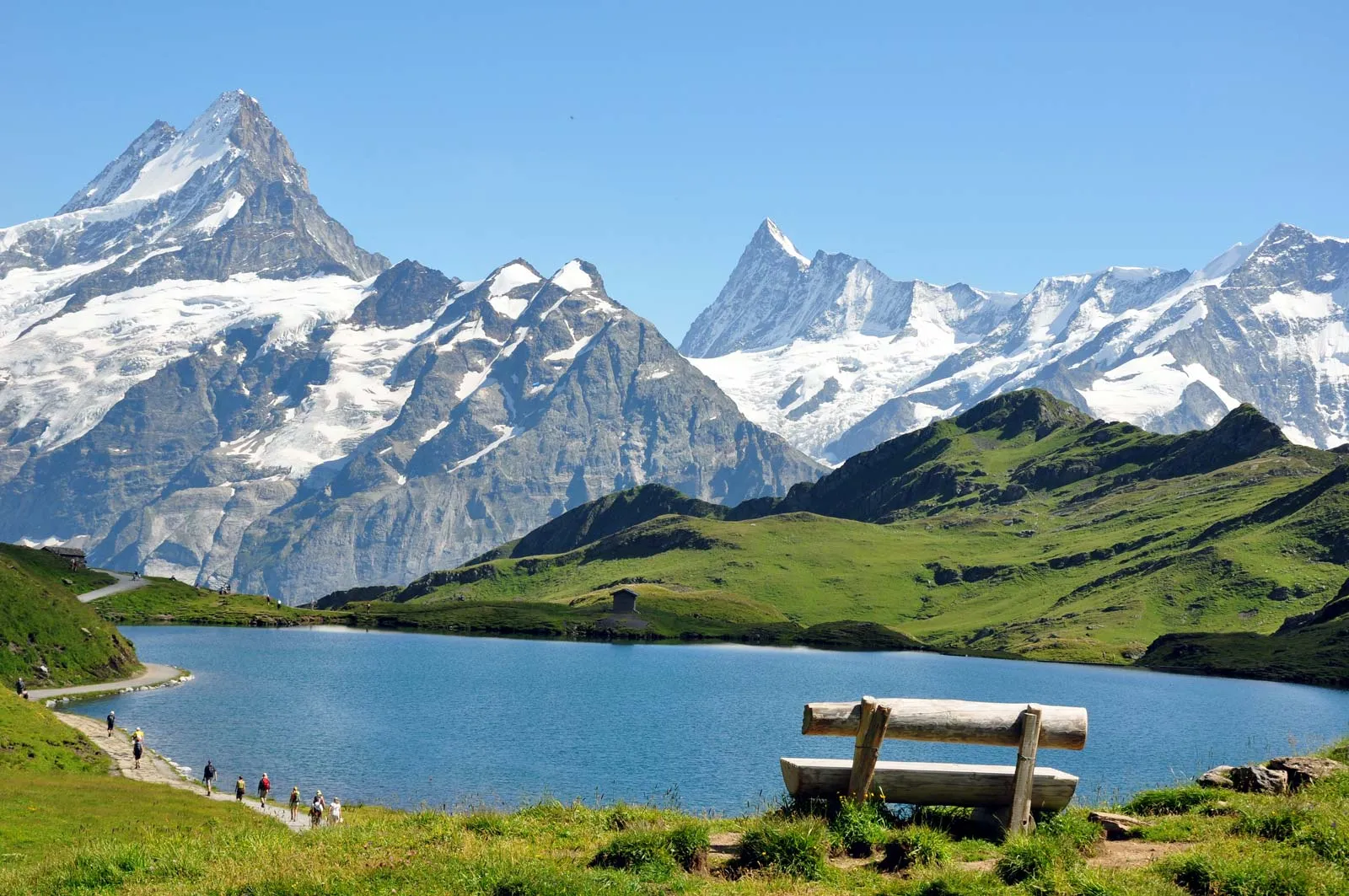
Switzerland is small enough to cross in a few hours, yet it holds several distinct worlds that rarely overlap. Geneva and Zurich are international centres of finance, diplomacy and business. The shores of Lake Geneva hold boarding schools, clinics and quiet lakeside residences. The Alpine resorts, from St. Moritz and Gstaad to Verbier and Zermatt, each have their own character, clientele and season. Moving between them is usually straightforward, until mountain weather closes an airport, a pass is shut for the winter or a resort that bans cars requires the last part of the journey to be made by train. For many private clients, Switzerland is also where some of the most personal parts of life take place, including banking, schooling, healthcare and family holidays.
The best concierge service in Switzerland is therefore the one that understands how these worlds connect. It knows how the lake cities and the mountain resorts differ, how to move between valleys by air, rail and road, how chalets work, how the Alpine calendar shapes demand, and how schools, clinics and business visits fit into a family’s year. It also understands the discretion that Swiss life expects. This article sets out what that knowledge looks like and what private clients should expect.
A Small Country of Distinct Worlds
Switzerland has four national languages and a strong regional identity, and each part of the country works differently. French is spoken around Geneva and Lausanne, German around Zurich and much of the centre and east, Italian in Ticino, and Romansh in parts of the Engadin and Graubünden. Customs, pace and even opening hours can vary between cantons. For a private client, the practical consequence is that the Switzerland of a banking visit to Zurich, a school visit near Lake Geneva and a ski week in St. Moritz are three different trips, each with its own logistics.
The Lake Cities
Switzerland’s principal cities sit on its lakes, and each serves a different purpose for private clients.
Geneva
Geneva is an international city, home to international organisations, private banks, family offices and a large diplomatic community, with grand hotels along the lake and the Alps visible on clear days. Its airport sits on the French border, and the city is closely connected to the French side of the lake and to the ski resorts of both countries. For clients whose visit combines business, banking and the lake, Geneva is often the natural base.
Zurich and Zug
Zurich is Switzerland’s largest city and its principal financial centre, with the Bahnhofstrasse, the old town and residential areas along the shores of Lake Zurich. It is efficient, cultured and well connected, with an international airport close to the city. Zug, nearby, has become a significant centre for international companies and private wealth. Business visits to Zurich often combine with time in the mountains, which are within easy reach.
Lausanne, Montreux and the Lake Geneva Riviera
Along the northern shore of Lake Geneva, Lausanne, Vevey and Montreux form a gentle stretch of lakeside towns, vineyards and grand hotels, with the terraced vineyards of Lavaux rising above the water. The region is home to several international boarding schools, clinics and wellness retreats, and many families with children at school in Switzerland spend time here.
Lugano and Ticino
South of the Alps, Ticino has an Italian language and a Mediterranean feel, with Lugano and Locarno on their lakes and palm trees along the shores. Its climate is milder, and it connects naturally with Milan and the Italian lakes. For clients who want Switzerland with a southern character, Ticino is a distinct choice.
The Alpine Resorts
Switzerland’s mountain resorts are among the most famous in the world, and each has its own personality, clientele and logistics.
St. Moritz and the Engadin
St. Moritz, in the high Engadin valley, has been a winter destination for more than a century. Its grand hotels, its sunshine and its tradition of events on the frozen lake, including horse racing and polo on snow, give it a character of its own. The Engadin also offers cross-country skiing, quieter villages and summer hiking. The nearby Engadin Airport at Samedan serves private aircraft, but its high altitude and mountain approach make it demanding, and weather and aircraft suitability need careful planning.
Gstaad
Gstaad, in the Bernese Oberland, is known for its chalets, its discretion and its village atmosphere, with a pedestrian main street and grand hotels overlooking the valley. It attracts families who return year after year, and its social life runs through private chalets, clubs and a small number of hotels and restaurants. Private aviation options close to Gstaad are subject to aircraft, operating and weather constraints, so many clients arrive through larger gateways and continue by road, rail or helicopter.
Verbier and the Valais
Verbier, in the Valais, is known for its challenging skiing, extensive off-piste terrain and lively atmosphere, and it draws a younger and more energetic crowd alongside families. Crans-Montana, across the Rhône valley, offers sunnier slopes, golf in summer and a quieter pace. The airport at Sion serves the region, with road and helicopter transfers onward.
Zermatt and the Car-Free Villages
Zermatt sits at the foot of the Matterhorn. It is car-free, with conventional road transfers ending at Täsch and the final journey normally made by train, after which electric taxis and other local transport operate within the resort. Other villages, including Wengen, Mürren and Saas-Fee, are also car-free. The final part of the journey to these resorts is by train, cable car or helicopter, and luggage, arrival times and transfers need planning accordingly.
Arriving and Moving Between Valleys
Switzerland’s compact size makes most journeys short, but its mountains shape how they are made.
| Route | Character | Often suited to |
|---|---|---|
| Geneva and Zurich airports | The principal international gateways, with premium arrival services and private aviation | International arrivals and departures |
| Basel and Lugano airports | Regional gateways; Basel’s airport lies in France and serves Switzerland, France and Germany | Visits to Basel and Ticino |
| Sion, Engadin (Samedan) and other mountain airports | Regional and mountain airports serving the Valais, St. Moritz and other resorts | Private flights into the mountains, subject to weather, aircraft and crew suitability |
| Helicopter transfers | Widely used between airports and resorts | Clients who want to avoid long mountain roads, subject to weather |
| Swiss rail | Punctual and extensive, including scenic Alpine routes | Travel between cities and to car-free resorts |
| Car and driver | Flexible door-to-door travel | Most resort transfers, subject to winter road conditions and pass closures |
For many clients, a private flight into Geneva or Zurich followed by a helicopter or car to the resort is the natural combination. Mountain airports can shorten the journey considerably, but they depend on the weather and on aircraft and crews suited to demanding approaches. Swiss rail is punctual and extensive, and it is often the best way to reach car-free resorts or to travel between cities. Some high mountain passes close in winter, and a concierge should plan routes accordingly.
Mountain Weather and Aviation
Alpine weather can change quickly, and it affects helicopters, mountain airports and roads alike. Snow, cloud and wind can ground helicopters, close mountain airports and slow road transfers. A client planning to arrive in St. Moritz by private jet or in Gstaad by helicopter needs a backup plan, whether that is a longer drive, a train or a later flight. A capable concierge follows the forecast closely, keeps alternatives ready and makes sure the chalet or hotel knows when to expect the client.
Chalets and How They Work
For many families, a private chalet is the best way to experience the Swiss mountains. Chalets range from traditional wooden houses to contemporary homes with spas, cinemas and ski rooms, and many are offered with staff, including chalet managers, chefs, housekeeping and drivers. A chalet allows a family to live privately, entertain and ski at its own pace.
Chalets also require coordination. Staff need briefing, provisions arranging, ski equipment and passes preparing, instructors booking and transport organising, particularly at Christmas, New Year and the February school holidays. Practical details matter: access in snow, parking, proximity to the lifts and suitability for children or older family members. Owners who use their chalets for part of the year need them opened and closed each season. A concierge should confirm that any rental is properly arranged and professionally managed, and should understand that ownership of property in Switzerland by foreign buyers is subject to specific rules best discussed with the appropriate professionals.
The Swiss Year
Switzerland has two main mountain seasons, winter and summer, with quieter periods between them when many resort hotels and restaurants close. The cities follow a steadier rhythm. The occasions below illustrate how demand moves rather than describing the whole calendar. For many clients, private dinners, chalet gatherings, school events and invitation-only evenings matter far more than anything publicly advertised.
| When | Illustrative occasions | What changes across the country |
|---|---|---|
| December and January | Christmas and New Year in the mountains, the World Economic Forum’s annual meeting in Davos, winter events on the frozen lake in St. Moritz | Chalets, hotels, instructors, restaurants and helicopter transfers in the leading resorts are at maximum demand |
| February and March | School holidays across Europe, the height of the ski season | Resorts remain very busy, with peaks around international school holidays |
| April to June | The end of the ski season, the spring off-season in the mountains, Art Basel in June | Many resort hotels and restaurants close, while Basel fills for the art fair |
| July and August | Summer in the mountains and on the lakes, with music festivals across the country | Hiking, lakes and festivals draw visitors, and mountain hotels reopen |
| September to November | Autumn, harvest in the vineyards, the autumn off-season in the resorts | The cities continue as normal, and the mountains are quieter before winter |
The week of the World Economic Forum in Davos deserves particular attention. It brings heads of government, business leaders and extensive security to the region, and accommodation and transport in and around Davos are in very high demand. Clients visiting the mountains during that week, even if not attending, should plan with it in mind.
Schools and Family Visits
Switzerland is home to several renowned international boarding schools, around Lake Geneva, in the mountains and elsewhere. For families with children at school in Switzerland, the country becomes a regular part of the year, with visits for school events, weekends, performances and holidays. Those visits need accommodation, transport and often a family’s other commitments arranged around them. A concierge can coordinate this. Educational decisions remain with the schools and the family.
Wellness, Clinics and Medical Travel
Switzerland has a long tradition of clinics, wellness retreats and medical care, and many international clients travel to Switzerland for health, wellness or medical appointments. A concierge’s role is coordination: arranging travel, accommodation, transport and appointments, and supporting family members who accompany the client. Clinical decisions remain entirely with the medical professionals.
Banking, Family Offices and the Business Visit
For many private clients, Switzerland is where a significant part of their financial life is managed, through private banks, family offices and advisers in Geneva, Zurich, Zug, Lugano and elsewhere. A business visit to Switzerland often combines meetings in the city with a weekend in the mountains or by a lake. A concierge supports the logistics and the life around those visits. Financial, legal and tax matters remain with the appropriate professionals.
Discretion and Swiss Custom
Switzerland has a long-standing reputation for discretion, and its understated social culture often suits private clients well. Punctuality, reliability and quiet are valued, and ostentation is generally less welcome than in some other destinations. Sunday opening is more limited than many international visitors expect, particularly outside major transport hubs and tourist areas, and life in smaller towns and villages follows a traditional rhythm. Service charges are generally included in bills, and tipping is modest. A concierge who understands these customs can help clients feel at home and keep their stay appropriately private.
What Visitors Commonly Misunderstand
Several Swiss realities surprise visitors. The country is small, but mountain weather can close airports, ground helicopters and slow roads at short notice. Some resorts are car-free, with the final part of the journey by train or cable car. High mountain passes close in winter. Many resort hotels and restaurants close in the spring and autumn off-seasons. Sunday opening is more limited than many expect outside major hubs and tourist areas. Different regions speak different languages and follow different customs. And the week of the World Economic Forum affects the whole region around Davos.
What Separates an Exceptional Switzerland Concierge
A Switzerland concierge should know considerably more than which hotels in St. Moritz and Gstaad are most famous. It should understand how the lake cities and mountain resorts differ, how to move between them by air, helicopter, rail and road, how chalets work, how mountain weather affects plans, and how schools, clinics and business visits fit into a family’s year.
The real test is whether the concierge can hold these pieces together. A private flight into Geneva, meetings at a private bank, a school visit near Lake Geneva, a helicopter to Gstaad and a week in a staffed chalet over New Year cannot be treated as separate bookings. The weather, the timing, the transfers and the family’s priorities all affect the advice that should be given at the outset.
It should also know when to advise against something. A mountain airport may not be the right choice for a particular aircraft in winter, a chalet may be too far from the lifts for a young family, or an arrival planned around a helicopter may need a backup. A private client should expect their concierge to say so.
What a Global Concierge Adds in Switzerland
For many private clients, Switzerland is one part of a wider life. A family may have a chalet in Gstaad, a home in London or the Gulf, children at school near Lake Geneva and a summer on the Riviera. Business visits to Zurich or Geneva may sit alongside winter holidays in St. Moritz and medical appointments on the lake. A Switzerland specialist can be excellent within the country. What a global concierge adds is continuity, so that the family’s preferences, commitments and plans are understood across every part of their year.
At Billionaire Concierge, each membership has one named Dedicated Lifestyle Manager, supported by a private team, and the client continues to deal with one person throughout the year. For a family with ties to Switzerland, that means the person opening the chalet for Christmas also knows the dates of the children’s school events and the principal’s meetings in Geneva. The same manager is planning the summer in the Mediterranean, so each part of the year is arranged with the others in mind.
Frequently Asked Questions
What is the best concierge service in Switzerland?
There is no single answer for every client. The best concierge service in Switzerland for a particular person understands the lake cities and mountain resorts, how to move between them, how chalets work and how mountain weather affects plans. It also understands how schools, clinics and business visits fit into the client’s year. For clients whose lives extend beyond Switzerland, it should also provide continuity elsewhere.
What should a Switzerland concierge know?
A Switzerland concierge should understand the differences between Geneva, Zurich, the Lake Geneva Riviera and Ticino, and between St. Moritz, Gstaad, Verbier and Zermatt. It should also understand how to combine private aviation, helicopters, rail and road, how mountain airports and weather affect travel, how chalets are staffed and managed, and how the winter and summer seasons shape demand.
What is the best way to reach the Swiss ski resorts?
It depends on the resort, the aircraft and the weather. Many clients fly into Geneva or Zurich and continue by helicopter, car or train. Some resorts have nearby mountain airports suitable for private aircraft, subject to weather and aircraft suitability, while Zermatt is reached by train from Täsch for the final stage.
How far ahead should Christmas in St. Moritz or Gstaad be planned?
Well in advance. Chalets, hotel suites, instructors, restaurants and helicopter transfers in the leading resorts are in very high demand over Christmas and New Year, and many are committed long before the season begins.
Can a concierge help with visits to children at Swiss boarding schools?
A capable concierge can coordinate travel, accommodation, transport and other arrangements around school events, weekends and holidays, and fit those visits into the family’s wider plans. Educational decisions remain with the schools and the family.
Can a concierge arrange medical or wellness stays in Switzerland?
A concierge can coordinate travel, accommodation, transport and appointments for medical or wellness stays, and support accompanying family members. Clinical decisions remain entirely with the medical professionals.
Explore Billionaire Concierge
Billionaire Concierge is a global private concierge and lifestyle management company serving private clients, families and principals internationally. Established more than a decade ago, the service is built around continuity, discretion and personal accountability.
Every member has a Dedicated Lifestyle Manager supported by a private team and established global network, with support available worldwide, 24 hours a day, 365 days a year. From international travel and lifestyle management to sourcing, access and complex personal requirements, one trusted relationship takes responsibility from initial brief through to completion.
Services | Lifestyle Management | Membership | Corporate Concierge | Global Concierge | Contact