Best Concierge Services in Singapore: What Should International Clients Look For?
Singapore is one of the easiest cities in the world to arrive in and one of the more demanding to settle into well. The airport is exceptional, the streets are safe, the infrastructure works and English is spoken everywhere. For a short visit, very little goes wrong. But many of Singapore’s most significant international clients are not visiting at all. They are relocating a family office, moving a family, enrolling children in school, establishing a household and building a life in a city with clear rules, a tropical climate and a calendar shaped by several cultures at once. For them, the difference between a smooth transition and a frustrating one lies in details few visitors ever encounter.
The best concierge service in Singapore is therefore the one that understands the city as both a destination and a home. It knows which neighbourhoods suit a family or a business schedule, how Changi and Seletar serve different journeys, and how the climate and the festive calendar shape life. It understands how households, schools and family offices come together, and how Singapore works as a base for the rest of Asia. This article sets out what that knowledge looks like and what international clients should expect.
A City Built to Work
Singapore is compact, orderly and remarkably efficient. Distances are short, public transport is excellent, and the city’s systems generally do what they promise. That efficiency is part of its appeal, but it also means that what distinguishes a good stay from an exceptional one is rarely logistical rescue. It is understanding. Singapore rewards those who know how its neighbourhoods differ, how its rules and customs work, and how to make the most of a city whose best experiences are often found in private rooms, private homes and relationships rather than on public lists.
Where International Clients Live and Spend Their Time
Singapore’s neighbourhoods are close together, but they serve quite different purposes, and the right base depends on whether a client is visiting, working or settling a family.
Marina Bay and the Central Business District
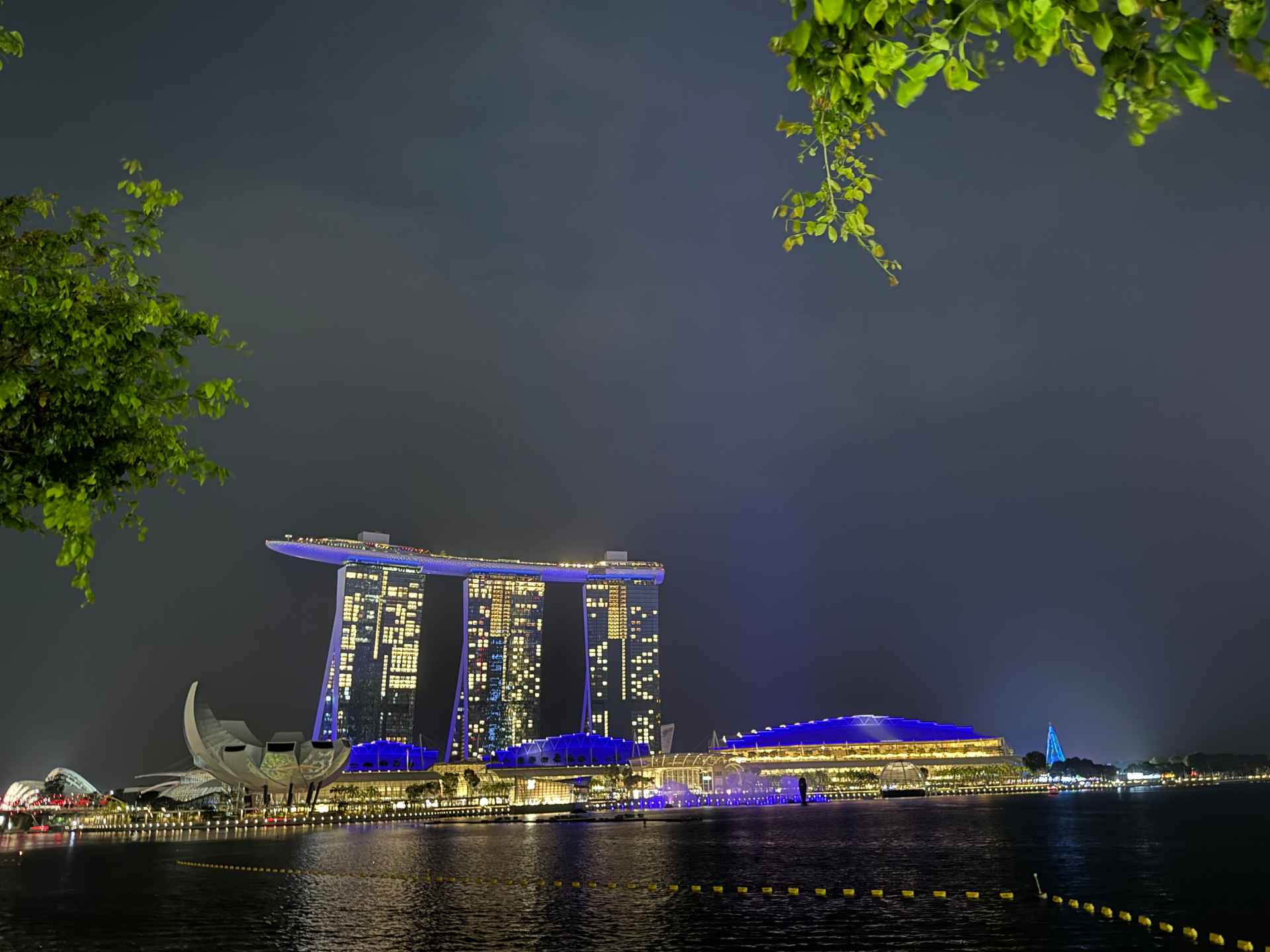
Marina Bay is the city’s modern waterfront, surrounded by landmark hotels, residences and cultural venues, with the financial district of Raffles Place and the Central Business District immediately beside it. For clients whose days revolve around banks, advisers and meetings, this is the most practical base. It is also the setting for many of the city’s largest events, which can make it very busy at particular times of year.
Orchard Road and Tanglin
Orchard Road is Singapore’s principal shopping street, lined with malls, flagship stores and hotels. Just beyond it, Tanglin and the streets around Nassim Road have a greener, more residential character, with embassies, substantial homes and the Singapore Botanic Gardens nearby. Many international families and visiting principals favour this area for its balance of convenience and calm.
Holland, Bukit Timah and the Landed Neighbourhoods
Further west and north, Holland Village, Bukit Timah and the neighbourhoods around them hold many of Singapore’s landed homes, including some of the city’s most sought-after residential addresses. Many of the city’s international schools are within reach of these areas, which makes them a natural choice for families settling for the long term.
Sentosa
Sentosa, the island resort just south of the city, combines hotels and attractions with Sentosa Cove, a waterfront residential enclave with its own marina. It offers a more relaxed, resort-like life close to the city, and it suits clients who want the water and a slower pace. It is also a little removed from the business district and the schools, which matters for families with daily commitments.
Dempsey, the Civic District and the Older Quarters
Dempsey Hill, set among greenery near the Botanic Gardens, has become one of the city’s favourite places to eat and gather. The Civic District around the Padang holds the Raffles Hotel, the National Gallery and some of Singapore’s finest colonial architecture. The older quarters of Chinatown, Tanjong Pagar, Kampong Glam and the areas along the Singapore River add restaurants, bars and boutique hotels with a different character from the city’s glass towers.
Arriving: Changi and Seletar
Singapore is served by two airports that matter to private clients.
| Airport | Character | Often suited to |
|---|---|---|
| Changi | One of the world’s major international hubs, with premium and private arrival services separate from the main terminals | Commercial arrivals and many private flights |
| Seletar | Airport in the north of the island focused on business and general aviation | Private flights, particularly for clients who prefer a quieter arrival |
Changi is a short drive from the city centre and is widely regarded as one of the best airports anywhere, but its scale means that a well-arranged private arrival service still makes a considerable difference, particularly for families with children, staff and substantial luggage. For private aviation, Seletar offers a more discreet alternative. A good concierge will choose between them according to the aircraft, the timing and where the client is going next, and will coordinate onward travel across the region with the same care.
Family Offices and the Business of Living in Singapore
Singapore has become one of Asia’s principal centres for family offices and private wealth, and many international clients arrive because a family’s financial life is being established or expanded here. That brings a particular pattern of work. Principals divide their time between meetings in the Central Business District and family life in Tanglin, Holland or Sentosa. Executive assistants, family office staff, advisers and household teams need to work together, often across several time zones.
A concierge serving these clients should understand how that ecosystem works and how to fit alongside it, supporting the family office rather than duplicating it. The concierge’s role is lifestyle and logistics: households, travel, dining, events and family life. Legal, tax, regulatory and investment matters remain with the relevant professionals.
Setting Up a Household
Establishing a home in Singapore is where much of the real concierge work happens. International families typically choose between condominiums with extensive facilities, serviced residences for shorter stays and landed homes for longer ones, and each comes with its own practicalities. A home needs furnishing, staff need arranging, cars and drivers organising, and the household must run smoothly from the day the family arrives.
Singapore has clear rules governing property, employment and many aspects of household life, and those rules are taken seriously. A concierge should understand the practical implications and work alongside the relevant professionals and agencies, rather than assuming that arrangements familiar from London, Dubai or New York will apply in the same way. Car ownership is deliberately costly in Singapore, and many residents rely on drivers, private hire and the city’s excellent public transport rather than maintaining a large fleet.
Schools and Family Life
For relocating families, schools often decide everything else. Singapore has a wide choice of international schools, but places at the most sought-after can be limited, and admissions timelines, waiting lists and entry points vary. Where the family lives, how children travel to school and how the household’s day is structured all flow from that decision. A concierge can coordinate visits, applications, transport, tutors and activities, while educational judgements remain with the schools and the family’s advisers. Healthcare in Singapore is of a very high standard, and here too the concierge’s role is coordination: identifying providers and arranging appointments, while clinical decisions remain with the professionals.
Climate and the Rhythm of the Day
Singapore is hot and humid throughout the year, with frequent afternoon storms and two monsoon seasons that bring periods of heavier rain. Much of daily life moves between air-conditioned spaces, and even short walks can be uncomfortable in the middle of the day. Outdoor plans work best early in the morning or in the evening, and a sudden downpour can reshape an afternoon at short notice. The region is occasionally affected by haze, which can influence outdoor activities. A concierge should plan with the weather rather than against it, particularly for families with young children and for events held outdoors.
The Singapore Year
Singapore’s calendar is shaped by several cultures, a busy business and events schedule, and the school year of its international families. The occasions below illustrate how demand moves rather than describing the whole calendar. For many clients, the private dinners, family gatherings, business receptions and invitation-only evenings around them are at least as important.
| When | Illustrative occasions | What changes across the city |
|---|---|---|
| January and February | Chinese New Year, which moves each year with the lunar calendar, and the start of the art season | Reunion dinners fill restaurants, some businesses close for several days and gifting traditions shape the season |
| March to May | Business and conference season | Hotels and restaurants in the business district are busy |
| June and July | School holidays for many international families | Families travel within the region and beyond, and some residents leave for Europe |
| September and October | The Formula 1 night race around Marina Bay | Hotels, restaurants and roads around the circuit come under intense pressure |
| November and December | The financial and technology conference season, Christmas and the year-end holidays | Orchard Road is at its busiest, and families travel for the holidays |
| Throughout the year | Singapore’s multicultural religious and festive calendar, including Deepavali, Hari Raya and other major observances | Dates vary annually, and restaurants, businesses and family plans shift around them |
Chinese New Year deserves particular attention. Its date moves each year, many restaurants are committed for reunion dinners long in advance, some businesses close for several days, and customs around visits and gifts carry real meaning. For clients doing business in Singapore, understanding the season is part of doing business well. The same principle applies across the city’s other festivals: a concierge should know the actual dates in the year in question and what they mean for the client’s plans.
Dining: From Hawker Centres to Private Rooms
Singapore’s dining culture is unusually broad. Its hawker centres, where dishes from Chinese, Malay, Indian and Peranakan traditions are served at modest prices, are a genuine part of the city’s identity, and many of the most discerning clients enjoy them as much as its fine dining rooms. At the other end, the city has an outstanding range of restaurants and hotel dining rooms, many of which book up well in advance.
Private dining rooms matter a great deal in Singapore, particularly for business entertaining and family celebrations. Chinese banquet customs, seating, menus and the choice of venue all carry meaning. A concierge who understands these conventions can make a business dinner or family gathering feel exactly right.
Singapore as a Base for Asia
For many international clients, Singapore is a base rather than a destination. Singapore is exceptionally well connected to destinations across Southeast Asia and the wider region, from Bali, Phuket, Langkawi and the islands of Indonesia to the Maldives, Hong Kong, Tokyo and Sydney. Sentosa Cove and the city’s marinas provide a starting point for time on the water, while international cruising involves formalities that should be arranged before departure. A concierge who can plan Singapore together with a family’s regional travel, from a long weekend in Bali to a ski holiday in Japan, adds considerably more than one whose knowledge ends at the causeway.
Customs, Conduct and Expectations
Singapore is cosmopolitan and welcoming, and it also has clear expectations of public conduct that are taken seriously. International clients generally find the city’s rules straightforward once they understand them, but assumptions carried over from other cities can occasionally cause difficulty. Service charges are commonly included in bills, and tipping customs differ from those in the United States. Business culture values punctuality, courtesy and relationships built over time. A concierge should be able to guide clients through these expectations discreetly, without turning a stay into a list of rules.
What International Clients Commonly Misunderstand
Several Singapore realities surprise international clients. The city is small, but the heat makes even short walks uncomfortable in the middle of the day, and storms can reshape plans at short notice. Chinese New Year and the city’s other festivals move each year and affect restaurants, businesses and travel. Places at the most sought-after international schools can be limited, and admissions timelines need planning early. Household and property arrangements follow Singapore’s own rules rather than those of the client’s home country. And for many families, Singapore is as much a base for Asia as a destination in its own right.
What Separates an Exceptional Singapore Concierge
A Singapore concierge should know considerably more than which restaurants are hardest to book and which hotels have the best views of Marina Bay. It should understand how the city’s neighbourhoods suit different clients, how households are established and run, how schools and family offices shape a family’s life, how the climate and multicultural calendar affect plans, and how Singapore connects to the rest of Asia.
The real test is whether the concierge can hold a family’s life together. An arrival at Seletar, a morning of meetings in the business district, a school visit in Bukit Timah and a family dinner in a private room at Chinese New Year cannot be treated as four separate arrangements. The client’s priorities, the timing and the cultural context all affect the advice that should be given at the outset.
It should also know when to advise against something. A residence that looks perfect may not suit the school run, a venue that impresses may be wrong for a particular business dinner, and an arrangement familiar from another country may not work in Singapore. An international client should expect their concierge to say so.
What a Global Concierge Adds in Singapore
For many international clients, Singapore is one part of a life that also includes London, Europe, the Gulf, Hong Kong or the United States. Families relocating to Singapore often keep homes elsewhere, children may be at school in another country, and principals travel constantly. A Singapore specialist can be excellent within the city. What a global concierge adds is continuity, so that the family’s preferences, households and plans are understood wherever they are.
At Billionaire Concierge, each membership has one named Dedicated Lifestyle Manager, supported by a private team, and the client continues to deal with one person throughout the year. For a family relocating to Singapore, that means the person arranging the new household also knows the family’s home in London or Europe, the children’s school commitments elsewhere and how the principal likes to travel. The move is planned as one continuous piece of work rather than handed from one provider to another at each border.
Frequently Asked Questions
What is the best concierge service in Singapore?
There is no single answer for every client. The best concierge service in Singapore for a particular person understands the city’s neighbourhoods, households, schools, climate and multicultural calendar, and how Singapore works as a base for Asia. For clients whose lives extend beyond Singapore, it should also provide continuity elsewhere.
What should a Singapore concierge know?
A Singapore concierge should understand the differences between Marina Bay, Orchard and Tanglin, Holland and Bukit Timah, and Sentosa. It should also understand the roles of Changi and Seletar, how households and family offices are established, how international school admissions work, how the climate and festive calendar shape life, and how to plan regional travel. Above all, it should know how these fit together for the individual client.
Can a concierge help my family relocate to Singapore?
A capable concierge can coordinate much of the practical side of a relocation, including residences, furnishing, household staff, drivers, school visits and applications, healthcare appointments and settling in. Legal, tax, immigration and regulatory matters remain with the appropriate professionals, and the concierge should work alongside them.
Should I fly private into Changi or Seletar?
It depends on the aircraft, the timing and the client’s preferences. Changi offers excellent premium arrival services and is a short drive from the city, while Seletar provides a quieter arrival focused on business and general aviation. A good concierge will compare both for the specific journey.
How does Chinese New Year affect a visit to Singapore?
Significantly. The date moves each year, restaurants are committed for reunion dinners well in advance, some businesses close for several days, and customs around visits and gifts are important. Visits during the season should be planned early and with cultural awareness.
Is Singapore a good base for travel in Asia?
Yes. Singapore is exceptionally well connected across Southeast Asia and the wider region, and many families and principals use it as a base for regional travel. Planning Singapore and regional travel together tends to work far better than treating them separately.
Explore Billionaire Concierge
Billionaire Concierge is a global private concierge and lifestyle management company serving private clients, families and principals internationally. Established more than a decade ago, the service is built around continuity, discretion and personal accountability.
Every member has a Dedicated Lifestyle Manager supported by a private team and established global network, with support available worldwide, 24 hours a day, 365 days a year. From international travel and lifestyle management to sourcing, access and complex personal requirements, one trusted relationship takes responsibility from initial brief through to completion.
Services | Lifestyle Management | Membership | Corporate Concierge | Global Concierge | Contact