Best Concierge Services in Hong Kong: What Should Private Clients Look For?
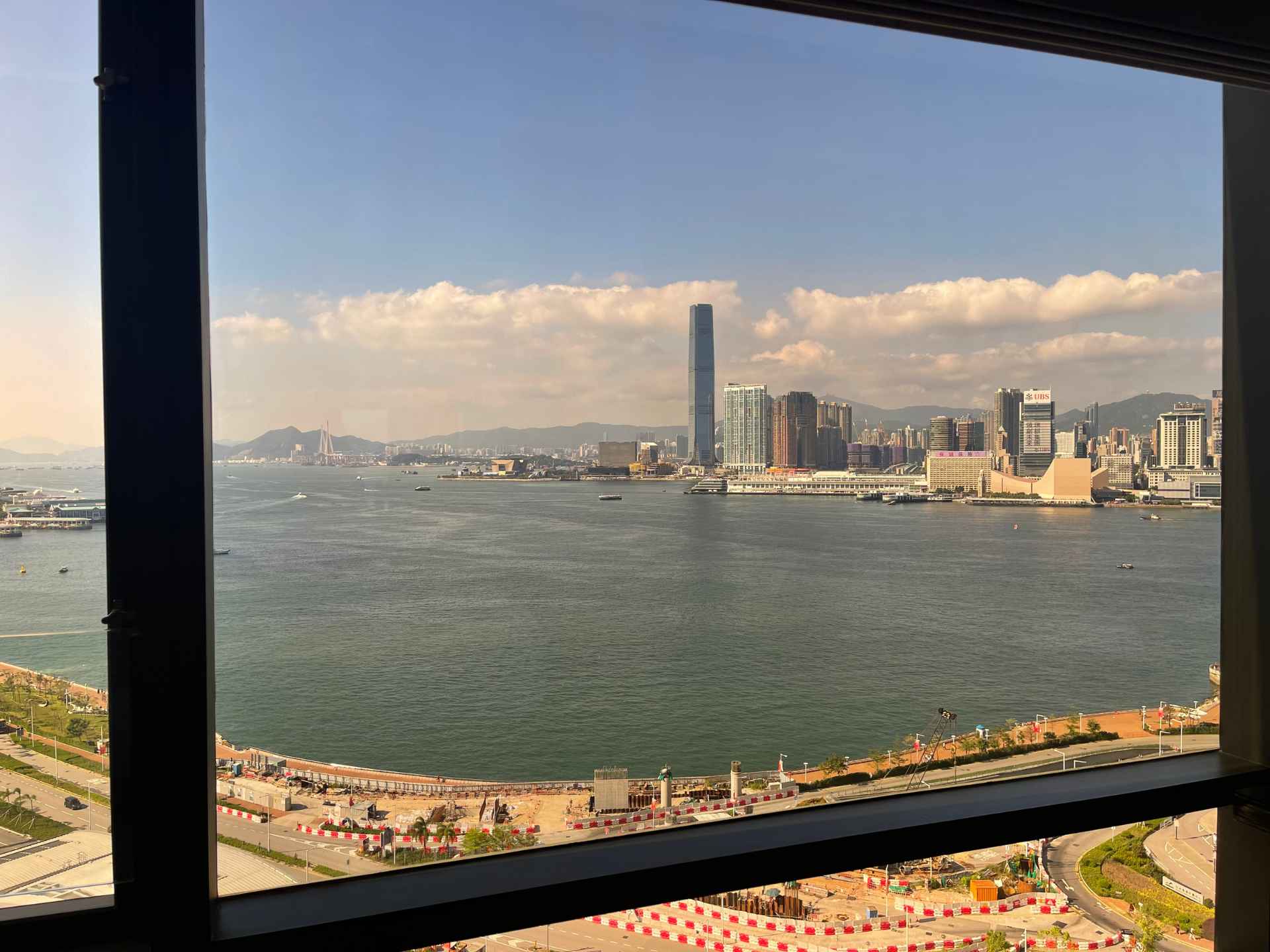
Hong Kong compresses more into less space than almost anywhere else. A financial centre, a harbour city, a mountainous island, hundreds of outlying islands and a gateway to mainland China all sit within a territory where towers rise straight from the waterfront and country parks begin a few minutes from the busiest streets. For a private client, that density makes Hong Kong extraordinarily efficient and occasionally bewildering. Business and private life overlap constantly, much of the city’s social life runs through clubs, private rooms and long-standing relationships, and the weather can bring the entire city to a pause at short notice.
The best concierge service in Hong Kong is therefore the one that understands how the city actually functions for someone who works and lives in it. It knows the difference between Central, the Peak, the Southside and Kowloon, how to move between the island, the airport, Macau and the mainland, how clubs, racing and private dining shape social life, and how typhoons and rainstorms change a day. This article sets out what that knowledge looks like and what private clients should expect.
A Vertical City
Hong Kong is built upwards as much as outwards. Offices, hotels, shopping centres and residences stack vertically, and much of the city is connected by elevated walkways, escalators and covered links that let people cross whole districts without touching the street. On Hong Kong Island, the Mid-Levels escalator carries residents up the hillside from Central, and the slopes above rise steeply towards the Peak. Knowing how these connections work can turn a hot, humid walk into a comfortable one, and it often makes walking quicker than being driven.
For longer journeys, a car and driver remain the choice for most private clients. The MTR, trams, ferries and extensive pedestrian connections also make public transport unusually practical, even for clients who ordinarily rely on a car and driver. Road traffic in Central, around the tunnels and across the harbour can be slow at peak times, and a concierge who knows when the tunnel, the MTR or the ferry is the better choice will save clients a surprising amount of time.
Hong Kong Island and Kowloon
Victoria Harbour divides the city into two sides, and each has its own character. Within them, a few districts account for much of a private client’s time.
Central and Admiralty
Central is the financial and commercial heart of Hong Kong, home to the banks, law firms and family offices whose work defines the city, alongside several of its most established hotels, luxury shopping and many of its best restaurants. Admiralty, beside it, adds more hotels, offices and the government district. For clients whose visits revolve around meetings, this is the natural base. It is also where business and social life meet most closely, with lunches, dinners and club evenings often arranged within a few minutes’ walk of the office.
The Mid-Levels and the Peak
Above Central, the Mid-Levels are lined with residential towers favoured by families and professionals, while the Peak, at the top of the island, holds some of Hong Kong’s most sought-after residential addresses, with houses and apartments looking out over the harbour. The Peak offers cooler air, space and privacy that are rare elsewhere in Hong Kong, but it is reached by winding roads that make journey times important to plan.
The Southside
On the southern side of the island, Repulse Bay, Deep Water Bay, Stanley and Shek O offer beaches, houses with sea views and a quieter, more residential life. Many international families choose the Southside for space and greenery, and several of Hong Kong’s leading clubs and marinas are found here. It is a short distance from Central on the map, but the journey through the tunnels and over the hills can vary considerably in traffic.
Tsim Sha Tsui and West Kowloon
Across the harbour, Tsim Sha Tsui holds some of the city’s most celebrated hotels, with some of the finest views of the island’s skyline, along with luxury shopping along its waterfront. West Kowloon has become the city’s cultural centre, with major museums and performing arts venues, and it is also the terminus for high-speed rail into the mainland. For clients with a cultural focus or onward travel into China, Kowloon can be the more practical base.
Arriving: The Airport and the Onward Journey
Hong Kong International Airport sits on reclaimed land off Lantau Island, and the journey into the city is straightforward by car or train. The routes onward, into Macau and the mainland, are equally important to understand.
| Route | Character | Often suited to |
|---|---|---|
| Hong Kong International Airport | One of Asia’s major hubs, with premium arrival services | Commercial arrivals from around the world |
| Business aviation at the airport | A dedicated facility for private aircraft at the same airport | Private flights into Hong Kong |
| Airport Express | Fast rail link to Kowloon and Central | Travellers who value predictable journey times |
| Road links to Macau | The bridge across the Pearl River Delta | Clients travelling between Hong Kong and Macau by car |
| Ferries and helicopter services | Sea and air links across the Delta, subject to current schedules | Journeys to Macau and elsewhere in the region |
| High-speed rail from West Kowloon | Direct rail into the mainland | Travel to Shenzhen, Guangzhou and beyond |
For most private clients, a well-arranged arrival at the airport followed by a car into the city is the natural choice, although at busy times the Airport Express can be the more predictable option. For onward journeys, the right route depends on the destination, the size of the party, the time of day and the travel documents required, which can differ between Hong Kong, Macau and the mainland. A concierge should confirm current arrangements for each journey rather than assuming.
Business and Private Life
In Hong Kong, the line between business and private life is thinner than in most cities. Principals may have a morning of meetings in Central, a lunch in a private room with a business partner, an afternoon with the family on the Southside and a dinner at a club with guests from the mainland or Singapore. Executive assistants, family offices and household staff all play a part, and relationships built over many years matter a great deal.
A concierge serving Hong Kong clients should understand this rhythm and fit into it naturally. It needs to know which venues suit which kind of meeting, how to host guests from different cultures well, and how to support the client’s existing team rather than add another layer. Business, legal and financial matters remain with the relevant professionals. The concierge’s role is to make the life around them work.
Clubs, Racing and the Social Calendar
Much of Hong Kong’s social life runs through private clubs. The city’s established clubs, from those in Central to the sports, country and marina clubs of the Southside, have long histories, and membership is often limited, closely held or subject to long waiting periods. For clients who hold memberships in Hong Kong or elsewhere, a concierge should understand how guest privileges and reciprocal arrangements work. It should also be clear that club access cannot simply be bought or arranged as a favour.
Horse racing is woven into the city’s social life. Evenings at Happy Valley, with the racecourse surrounded by towers, and race days at Sha Tin are part of the Hong Kong season, and the most important race meetings bring hospitality, private boxes and members’ areas into high demand. A concierge who understands the racing calendar, and how access to its most sought-after areas works, can shape a visit around it.
Dining: Cantonese Tradition and Private Rooms
Hong Kong is one of the world’s great dining cities, and its Cantonese culinary tradition sits alongside an exceptional range of international restaurants. Many of the most sought-after rooms book up well in advance, and some of the city’s best dining happens in private kitchens and private rooms rather than in the main dining room.
Private rooms matter particularly for business entertaining and family occasions. Menus, seating, the choice of dishes and the significance of certain courses all carry meaning, particularly at celebrations and important business dinners. A concierge who understands these conventions can make a dinner feel exactly right for the guests. It should also know when a simple, excellent dim sum lunch is a better choice than the most formal dining room in the city.
The Water: Junks, Harbours and Islands
Hong Kong’s waters are part of its identity. Victoria Harbour is the city’s centrepiece, and beyond it lie hundreds of islands, secluded bays and the coastline of Sai Kung. Weekend days on a junk or private yacht, anchoring off a quiet beach and lunching at a seafood restaurant on an outlying island, are among the most characteristic pleasures of Hong Kong life. Marinas on the Southside and in the New Territories serve private boats.
A capable concierge understands which vessels suit which groups, how the weather and sea conditions affect plans, and which destinations are right for a particular day. Journeys that cross into other jurisdictions involve formalities that should be arranged in advance.
Weather, Typhoons and Rainstorms
Hong Kong’s subtropical climate brings hot, humid summers, cooler and drier winters, and a typhoon season that runs through the warmer months. The city has a well-established system of typhoon signals and rainstorm warnings. When the higher signals or the most severe rainstorm warnings are issued, offices, schools, ferries and much of the city’s activity can pause, and flights may be affected.
For a private client, that means plans can change at very short notice. Meetings are postponed, boat trips cancelled, flights delayed and journeys across the harbour or to Macau disrupted. A concierge should follow the weather closely during the season, have alternatives ready and understand how the city responds to each level of warning.
The Hong Kong Year
Hong Kong’s calendar combines traditional festivals, which follow the lunar calendar and move each year, with a busy schedule of business, cultural and sporting occasions. The occasions below illustrate how demand moves rather than setting out the whole calendar. For many clients, the private banquets, club evenings, business dinners and invitation-only events around them are at least as important.
| When | Illustrative occasions | What changes across the city |
|---|---|---|
| January and February | Chinese New Year | Many businesses close for several days, restaurants are committed for celebrations and gifting traditions shape the season |
| March | Art Basel Hong Kong and the wider art week | Hotels, restaurants and private venues in Central and West Kowloon come under intense pressure |
| Spring | The Hong Kong Sevens | Hotels, restaurants and nightlife are busy around the tournament |
| May to October | The warmer months and the typhoon season | Weather can disrupt plans, and summer holidays take many families away |
| Autumn | The Mid-Autumn Festival and the return of the racing season | Family gatherings, gifting and race meetings shape the social calendar |
| December | The Hong Kong International Races and the year-end season | Race-day hospitality, private dining and festive events are in high demand |
The traditional festivals deserve particular attention because their dates move each year, and they affect business, dining and family life. A concierge should know the actual dates in the year in question and what they mean for the client’s plans, whether that is a banquet during Chinese New Year or a gift during the Mid-Autumn Festival.
Macau, Shenzhen and the Greater Bay Area
Hong Kong is closely connected to the cities around it. Macau, across the Pearl River Delta, has its own hotels, restaurants, culture and entertainment. Shenzhen, immediately to the north, is one of China’s most dynamic cities, and high-speed rail brings Guangzhou and the wider mainland within easy reach. For many clients, a visit to Hong Kong includes time in one or more of these places, whether for business, family or leisure.
Each crossing involves different arrangements, documents and considerations, and those requirements can change. A concierge who can plan Hong Kong, Macau and the mainland as one journey, with the right transport and the necessary formalities confirmed in advance, adds considerably more than one whose knowledge ends at the boundary.
Homes and Households
Space is one of Hong Kong’s scarcest resources, and prime residential property commands exceptionally high prices. Most residents live in apartments, with houses largely found on the Peak, the Southside and in parts of the New Territories. For families spending time in the city, the choice is typically between hotels, serviced apartments and private residences. Each brings its own practicalities, from building management and parking to household staff and deliveries.
Hong Kong has clear rules governing many aspects of property and household life, and a concierge should understand the practical implications while leaving legal and regulatory matters to the appropriate professionals. Parking is limited and roads congest easily, so many families rely on a driver and a single car rather than a large fleet.
What Visitors Commonly Misunderstand
Several Hong Kong realities surprise visitors. The city is compact, but its hills, tunnels and harbour make some short journeys slow, and walking through the connected walkways can be faster than driving. The weather can pause the city entirely during the typhoon season. Chinese New Year and other traditional festivals move each year and affect business and dining. Much of the city’s social life takes place in private clubs and private rooms rather than public venues. And crossing into Macau or the mainland requires more planning than the short distances suggest.
What Separates an Exceptional Hong Kong Concierge
A Hong Kong concierge should know considerably more than which restaurants hold the most stars and which hotels have the best harbour views. It should understand how business and private life overlap, how clubs and racing shape the social calendar, how dining customs work, how the weather can change everything, and how Hong Kong connects to Macau and the mainland.
The real test is whether the concierge can hold a demanding day together. A morning of meetings in Central, a business lunch in a private room, an afternoon on the water in Sai Kung and an evening at Happy Valley cannot be treated as four separate arrangements. The weather, the traffic through the tunnels, the guests and the client’s priorities all affect the advice that should be given at the outset.
It should also know when to advise against something. A venue that impresses one guest may be wrong for another, a boat trip may be better moved when a warning is likely, and an ambitious journey to the mainland may need more time than a client expects. A private client should expect their concierge to say so.
What a Global Concierge Adds in Hong Kong
For many private clients, Hong Kong is one part of a life that also includes Singapore, the mainland, London, Europe or the United States. Principals move between these cities constantly, children may be at school abroad, and business partners arrive from across the region. A Hong Kong specialist can be excellent within the city. What a global concierge adds is continuity, so that knowledge of how the client lives and works travels with them from Central to London and from the Southside to the Riviera.
At Billionaire Concierge, each membership has one named Dedicated Lifestyle Manager, supported by a private team, and the client continues to deal with one person throughout the year. For a Hong Kong client, that means the person arranging a business dinner in Central already knows the guests’ preferences and the client’s clubs. The same manager knows the client’s summer plans in Europe, their regional travel throughout the year and how the family prefers to move between them.
Frequently Asked Questions
What is the best concierge service in Hong Kong?
There is no single answer for every client. The best concierge service in Hong Kong for a particular person understands the city’s districts, its overlap of business and private life, its clubs, dining customs and weather, and how it connects to Macau and the mainland. For clients whose lives extend beyond Hong Kong, it should also provide continuity elsewhere.
What should a Hong Kong concierge know?
A Hong Kong concierge should understand the differences between Central, the Mid-Levels, the Peak, the Southside and Kowloon, how to move around the city and across the harbour, how private clubs and racing shape social life, how private dining and banquet customs work, how typhoon and rainstorm warnings affect plans, and how to arrange travel to Macau and the mainland. Above all, it should know how these fit together for the individual client.
Where should I stay in Hong Kong?
It depends on the purpose of the visit. Central and Admiralty suit clients with business commitments, the Peak and the Southside suit families and those who value space and privacy, and Tsim Sha Tsui and West Kowloon suit clients with a cultural focus or onward travel into the mainland.
How does the typhoon season affect a visit to Hong Kong?
Plans can change at short notice. When higher typhoon signals or severe rainstorm warnings are issued, offices, schools, ferries and much of the city’s activity can pause, and flights may be affected. A concierge should follow the weather closely and have alternatives ready.
Can a Hong Kong concierge arrange travel to Macau and the mainland?
A capable Hong Kong concierge should be able to plan journeys to Macau and the mainland by road, sea, air or rail, and to coordinate them with the rest of the stay. Travel documents and requirements differ across the boundaries and can change, so they should always be confirmed in advance.
Can a concierge arrange access to private clubs in Hong Kong?
Membership of Hong Kong’s established clubs cannot simply be bought or arranged as a favour. A capable concierge can advise on how guest privileges and reciprocal arrangements work, and arrange private dining rooms and other venues where a club is not the right answer.
Explore Billionaire Concierge
Billionaire Concierge is a global private concierge and lifestyle management company serving private clients, families and principals internationally. Established more than a decade ago, the service is built around continuity, discretion and personal accountability.
Every member has a Dedicated Lifestyle Manager supported by a private team and established global network, with support available worldwide, 24 hours a day, 365 days a year. From international travel and lifestyle management to sourcing, access and complex personal requirements, one trusted relationship takes responsibility from initial brief through to completion.
Services | Lifestyle Management | Membership | Corporate Concierge | Global Concierge | Contact