The Cities Billionaires Actually Choose to Live In
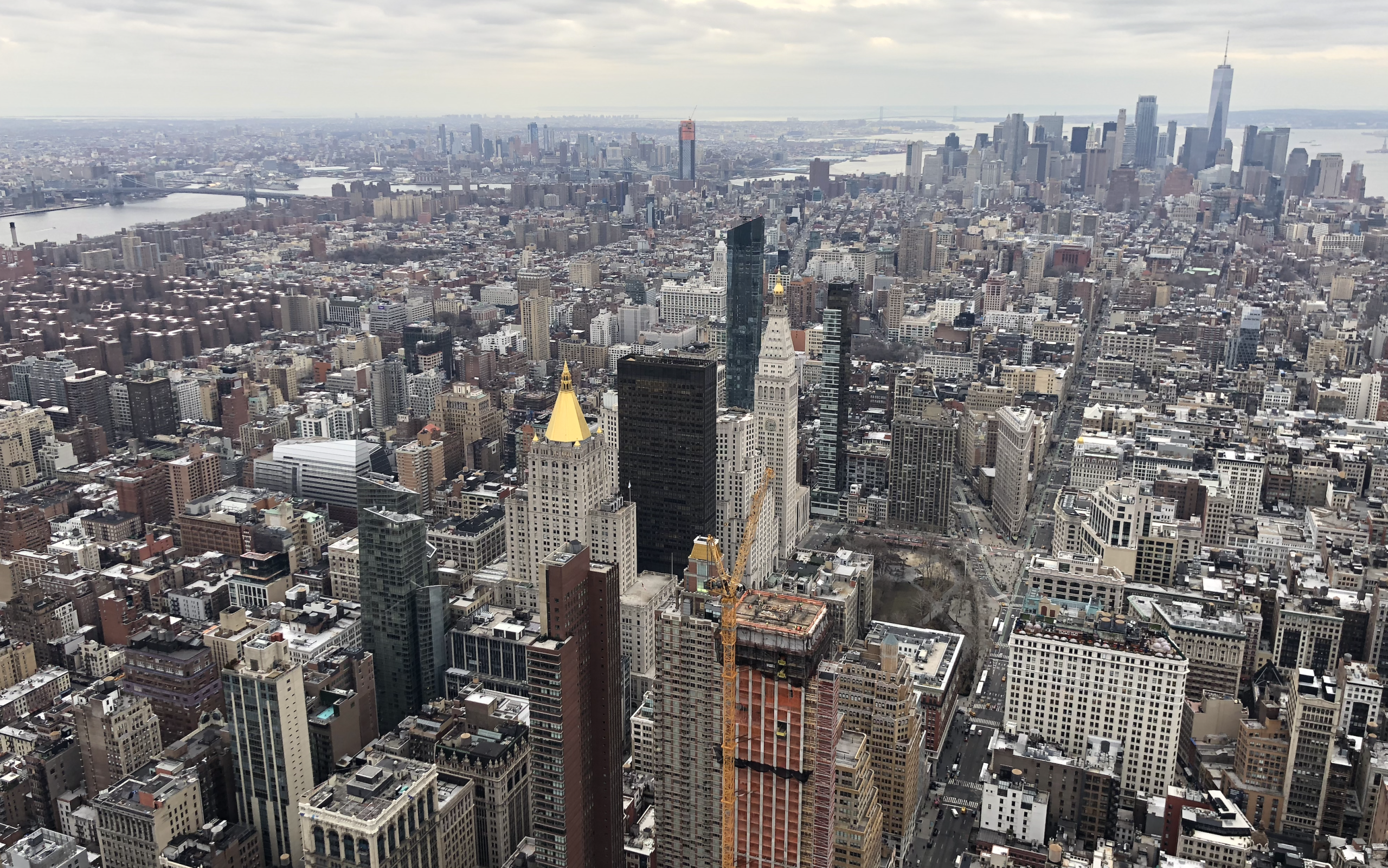
New York remains at the top of the list. That much is familiar. London follows. And then something interesting happens.
Mumbai is third. Beijing fourth. Shanghai fifth. Hong Kong, Shenzhen, and Moscow occupy the middle ground. New Delhi has entered the top ten for the first time. San Francisco closes it out.
The broader pattern is unmistakable. The centre of gravity is no longer exclusively western.
New York retains its position by sheer density finance, real estate, technology, and media concentrated in a single island, producing more billionaires per square mile than anywhere else on earth. London remains the global default for European wealth, old and new, and continues to draw capital from the Middle East, Africa, and South Asia with an ease that no other European city has managed to replicate. But the cities that have moved up the list fastest are not in the Atlantic world. Mumbai’s rise is fuelled by technology and financial services at a scale that was not visible ten years ago. Shenzhen barely existed as a city within living memory. New Delhi’s entry into the top ten is not a projection. It is a current reality.
For anyone who splits their time across more than one of these cities, the operational picture shifts considerably. A client moving between London and Mumbai has different requirements than one who shuttles between New York and Geneva. The airlines change. The ground transport expectations change. The standard of what constitutes a reliable hotel changes. The dinner reservation that matters might be in Bandra rather than Mayfair. The driver who knows how to navigate an unannounced schedule change in Mumbai is not the same person as the one who handles it in Zurich.
The other thing this list reveals is density of connection. A city with a high concentration of billionaires is not simply a collection of busy individuals. It is a web of overlapping schedules, shared investments, mutual contacts, and competing interests. When you serve one family well in those cities, you are often serving five others indirectly. Discretion and operational fluency in those environments are not optional extras. They are the baseline.
The geography of serious wealth is shifting. Not dramatically overnight, but noticeably, year by year, in ways that are already changing where clients spend their time, where their second homes are appearing, where their children are studying, and where requests arrive at eleven in the evening local time.
New York is still number one. But the list is no longer static. And for those whose lives span multiple time zones, that changes everything about how continuity is delivered, not just convenience.