Best Concierge Services in New Zealand: What Should Private Clients Look For?
New Zealand is smaller than many visitors expect and slower to cross than almost any of them imagine. Its two main islands hold fiords, glaciers, volcanic plateaus, vineyards, beaches and mountain ranges, often within a single day’s flight of one another but separated by roads that wind through valleys, over passes and across one-lane bridges. The country’s most memorable places to stay are frequently lodges set deep in the landscape, and some of its most extraordinary experiences depend on a helicopter being able to fly. When the weather allows, New Zealand is effortless. When it does not, the difference between a good concierge and an ordinary one becomes very clear.
The best concierge service in New Zealand is therefore the one that understands the landscape as a working environment as well as a view. It knows how the South Island and the North Island differ, which lodges suit which travellers, how helicopters and small aircraft shape the day, how mountain weather can change plans, and how to honour the culture and quiet character of the country. This article sets out what that knowledge looks like and what private clients should expect.
Two Islands, Very Different Journeys
New Zealand’s two main islands offer quite different experiences, and within each, regions have their own seasons, landscapes and logistics. The most rewarding visits tend to focus on a few regions and allow time for the weather rather than attempting to cover the whole country.
Queenstown and Central Otago
Queenstown, on the shore of Lake Wakatipu beneath the Remarkables, is the centre of luxury travel in the South Island and the base for many private visitors. It offers lodges, private residences, restaurants, golf, skiing in winter and access by helicopter to glaciers, high country stations and the fiords. Nearby, Arrowtown and Glenorchy offer quieter settings, and Wānaka, over the Crown Range, has its own lake, mountains and more relaxed character. Central Otago’s vineyards, known particularly for their Pinot Noir, add a further dimension, and the region’s autumn colours and winter snow give it a distinct look in every season.
Fiordland and the Southern Alps
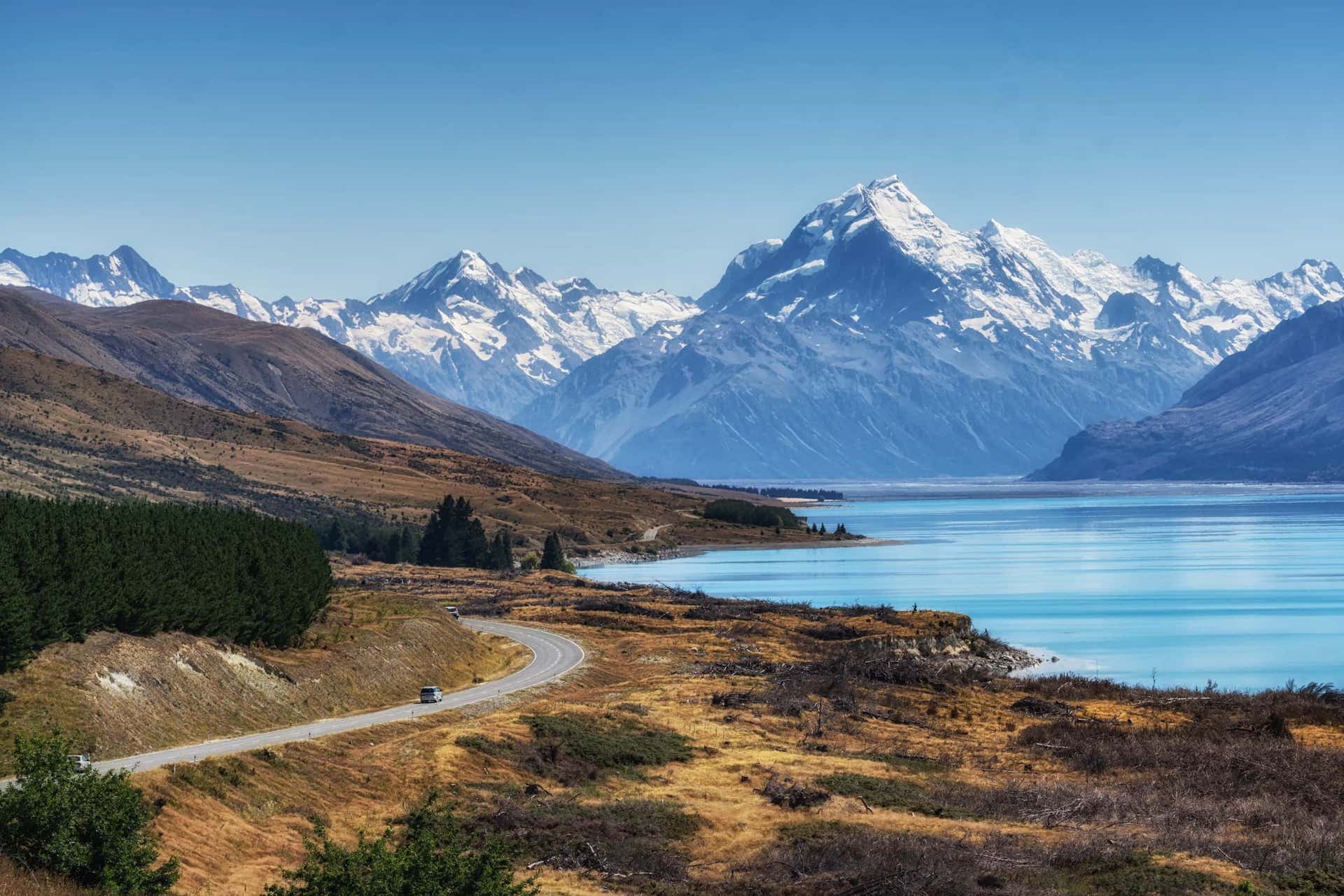
To the west and south of Queenstown lies Fiordland, with Milford Sound and Doubtful Sound among the most dramatic landscapes in the country. North along the Southern Alps, Aoraki/Mount Cook and the glaciers of the West Coast draw visitors for flights, walks and landings on snow. These are places of great beauty and considerable remoteness, where weather determines what is possible and road journeys can take several hours that a flight covers in a fraction of the time.
Auckland, the Hauraki Gulf and Waiheke
Auckland is New Zealand’s largest city and its principal international gateway, spread across a narrow isthmus between two harbours. Its relationship with the water is central to its identity. The Hauraki Gulf, with its islands and sheltered anchorages, is one of the country’s great sailing grounds, and Waiheke Island, a short ferry, boat or helicopter ride away, offers vineyards, beaches and restaurants. Many visitors pass through Auckland quickly, but a few days on the Gulf can be among the most enjoyable parts of a visit.
Northland and the Bay of Islands
North of Auckland, the Bay of Islands has a subtropical warmth, historic significance and a coastline of bays, islands and headlands. It is home to some of the country’s most celebrated golf and lodges, and it suits clients who want the sea, the sun and a slower pace.
Hawke’s Bay, Taupō and the Central North Island
On the east coast, Hawke’s Bay is known for its wines, its Art Deco architecture in Napier and a spectacular clifftop golf course. Inland, Lake Taupō and the surrounding volcanic plateau offer fishing, lodges and dramatic landscapes, while Rotorua is a centre of geothermal activity and Māori culture. These regions are often combined into a North Island journey that balances landscape, food, wine and culture.
Marlborough, Wellington and the Top of the South
At the top of the South Island, Marlborough is New Zealand’s best-known wine region, and the Marlborough Sounds offer sheltered waterways and quiet lodges reached by boat or floatplane. Across Cook Strait, Wellington, the capital, has a compact centre with strong cultural institutions and restaurants. Clients travelling between the islands can do so by air or by crossing the strait, which is weather-dependent.
The Lodges
New Zealand’s luxury lodges are central to the way many private clients experience the country. They are typically small, set in remarkable landscapes and designed around privacy, food, wine and the outdoors, from lakeside retreats near Queenstown to fishing lodges near Taupō and clifftop properties overlooking the sea. Many combine a lodge with exclusive-use villas or private residences, which suit families and groups.
Lodges vary considerably in character, and the right choice depends on the traveller. Some are formal and highly polished, others relaxed and rustic. Some are built around golf or fishing, others around walking or wine. Because they are small, the best lodges fill quickly in peak season, and exclusive-use arrangements need planning well ahead. A capable concierge will match each client to the right lodges and sequence them so that the journey between them becomes part of the experience rather than an interruption.
Helicopters and the Shape of a Day
In much of New Zealand, the helicopter is less a luxury than a practical tool. It turns a long road journey into a short flight, opens up glaciers, high country, remote beaches and fiords, and makes possible a day that begins with a landing on snow, continues with lunch at a remote station and ends back at the lodge. Heli-skiing, heli-fishing, heli-golf and private landings on mountaintops are all part of the country’s offer.
The helicopter’s usefulness depends entirely on the weather. Cloud, wind and rain in the mountains can ground flights at short notice, and a day planned around a flight needs a credible alternative. A good concierge will always have a second plan ready, and will sequence the stay so that weather-dependent experiences can move to another day rather than be lost.
Arriving and Flying Within New Zealand
New Zealand’s scale makes air travel central to any serious itinerary, and its mountains shape how that travel works.
| Route | Character | Often suited to |
|---|---|---|
| Auckland International Airport | The principal international gateway | Most long-haul arrivals, particularly from North America and Asia |
| Queenstown Airport | Mountain airport serving the southern lakes, with international flights from Australia and private aviation | Direct arrival into the South Island’s principal luxury region, subject to weather and operating conditions |
| Christchurch and Wellington airports | Gateways to the South Island and the capital | Connections to Canterbury, the West Coast and the top of the South Island |
| Private jet charter within New Zealand | Domestic flights on the client’s own schedule | Moving between regions efficiently |
| Helicopters and small aircraft | Access to lodges, fiords, glaciers and remote destinations | Journeys where roads are slow or impractical |
Queenstown is the natural arrival point for the southern lakes, but its setting among the mountains means weather can affect arrivals and departures. Aircraft parking can also be constrained at busy times. Operating conditions at mountain and regional airports should be confirmed when planning. Many international visitors combine New Zealand with Australia, and the flight between the two is comparatively short, which makes a southern hemisphere journey across both countries straightforward to plan.
Weather and the Mountains
New Zealand’s weather is famously changeable, particularly in the mountains, where conditions can shift from bright sunshine to low cloud and rain within hours. Fiordland is one of the wettest regions in the country, and the West Coast and the Southern Alps have their own weather patterns. Alpine roads can be affected by snow, ice, rockfall or avalanche risk, and some are closed at times as a result.
For private clients, that means flexibility is part of every plan. A concierge should follow the weather closely, understand how it affects flights and roads in each region, and build itineraries that absorb delays gracefully. It should also plan for the practicalities of remote travel, including what happens if a client needs medical attention far from a major hospital.
The New Zealand Year
New Zealand’s seasons run opposite to those of the northern hemisphere, and each brings its own appeal. The occasions below illustrate how demand moves rather than describing the whole calendar. For many clients, private lodge stays, family gatherings, harvest dinners and invitation-only events matter far more than anything on the public calendar.
| When | Illustrative occasions | What changes across the country |
|---|---|---|
| December to February | Summer holidays, Christmas and New Year, Waitangi Day, sailing on the Hauraki Gulf | Lodges, boats and coastal homes are in high demand, and New Zealanders are on holiday |
| March to May | Autumn and the grape harvest | Harvest activity peaks in the wine regions and Central Otago takes on its autumn colours |
| June to August | Winter, the ski season around Queenstown and Wānaka, winter festivals | Ski-in accommodation, heli-skiing and Queenstown lodges are in high demand |
| September to November | Spring, lambing season in the high country, the end of the ski season | The country is quieter, gardens and vineyards come to life and weather can be changeable |
For international visitors, the southern summer is the most popular time to come, and the best lodges fill early. Autumn is a quieter and very beautiful alternative, while winter offers skiing and a completely different landscape in the south.
Winter: Skiing and Heli-Skiing
In the southern winter, the ski fields around Queenstown and Wānaka draw visitors from across the world, including many who ski in the northern hemisphere during their own winter. Heli-skiing in the Southern Alps offers access to untracked terrain far from the ski fields. The ski season also brings demand for chalets, lodges, instructors and helicopter time, all of which need arranging in advance. Conditions vary year to year, and heli-skiing depends on weather and snowpack, so flexibility remains essential.
Golf, Fishing and the Outdoors
New Zealand has an exceptional collection of golf courses, including courses set on clifftops above the sea and in mountain landscapes, and several of the most celebrated are private or have limited access for visitors. The country’s rivers and lakes are known for their trout fishing, with guided fishing and heli-fishing to remote waters. Walking, from short trails to multi-day walks through national parks, is part of the national character, and luxury guided walks allow clients to experience remote country in comfort. A capable concierge understands which of these suit which client, how access works and what time of year each is at its best.
Māori Culture
Māori culture is fundamental to New Zealand’s identity, from place names and language to traditions of hospitality and protocol. Visitors seeking a deeper understanding are best introduced through appropriate Māori hosts and experiences developed with the communities involved, rather than treating culture as another attraction to be added to an itinerary. A knowledgeable concierge should understand when specialist local guidance is appropriate and approach these arrangements with respect.
Arrival, Entry and Biosecurity
Most international visitors need to arrange entry to New Zealand before travelling, and requirements should always be confirmed for the individual traveller. New Zealand takes biosecurity very seriously. Food, plant material, animal products and outdoor equipment such as walking boots and fishing gear are closely controlled, and declarations on arrival should be made carefully. A concierge should make sure clients, their families and staff understand this before departure, particularly when bringing sporting equipment or gifts.
Privacy, Scale and Service
New Zealand is a small country in population, and its culture is relaxed, unpretentious and understated. Service is warm and friendly rather than formal, and tipping is not customary in the way it is in the United States. For many private clients, that understatement is part of the appeal. The country’s sense of privacy and space attracts those who value discretion, and a concierge should protect it. That means arranging exclusive-use lodges, private flights and quiet experiences rather than drawing attention.
For clients considering property or a longer-term presence in New Zealand, there are specific rules for overseas buyers and residents. These should be discussed with the appropriate professionals rather than assumed.
What Visitors Commonly Misunderstand
Several New Zealand realities surprise visitors. The country looks small on a map, but roads are often narrow, winding and slow, and many journeys are much quicker by air. The weather in the mountains can change quickly, and flights to glaciers, fiords and remote lodges depend on it. Many international drivers are unfamiliar with driving on the left and on mountain roads, which is one reason a driver or helicopter is often the better choice. The best lodges fill early in the southern summer. Biosecurity rules apply to walking boots and fishing gear as well as food. And New Zealand’s appeal lies as much in its quietness and privacy as in its famous landscapes.
What Separates an Exceptional New Zealand Concierge
A New Zealand concierge should know considerably more than which lodges have the best views. It should understand how the country’s regions differ, how helicopters and small aircraft shape the day, how the weather in the mountains affects plans, how to match clients to lodges, golf, fishing and walking, and how to approach Māori culture with respect.
The real test is whether the concierge can build a journey that works with the landscape and the weather. An arrival in Queenstown, a helicopter to a glacier landing, lunch at a high country station, two nights at a fishing lodge near Taupō and a sailing day on the Hauraki Gulf cannot be treated as separate bookings. Flying conditions, distances, seasons and the client’s pace all affect the advice that should be given at the outset.
It should also know when to advise against something. An itinerary may try to cover too much of the country, a helicopter experience may need to move to another day, or a winding mountain drive may not suit a client who would rather fly. A private client should expect their concierge to say so.
What a Global Concierge Adds in New Zealand
For international clients, New Zealand is often part of a larger southern hemisphere journey, combined with Australia, the Pacific islands or Asia, or a winter ski trip taken when the northern season has ended. For New Zealand-based clients, the year often includes Europe or North America during the southern winter. Either way, a concierge that knows only New Zealand will cover only part of the client’s life.
At Billionaire Concierge, each membership has one named Dedicated Lifestyle Manager, supported by a private team, and the client continues to deal with one person throughout the year. For a client visiting New Zealand, that means the person planning the lodges and helicopter days already knows how they like to travel, how much they want to see and how the trip fits with Australia or the rest of their year. The same manager plans what comes before and after, whether a summer in Europe or a winter in the mountains.
Frequently Asked Questions
What is the best concierge service in New Zealand?
There is no single answer for every client. The best concierge service in New Zealand for a particular person understands the country’s regions, lodges, helicopters and small aircraft, weather and culture, and can build a journey that works with the landscape. For clients whose lives extend beyond New Zealand, it should also provide continuity elsewhere.
What should a New Zealand concierge know?
A New Zealand concierge should understand the differences between Queenstown and Central Otago, Fiordland and the Southern Alps, Auckland and the Hauraki Gulf, and the regions of the North Island. It should also understand how to plan helicopter and small aircraft travel, how mountain weather affects plans, how to choose lodges, golf, fishing and walking experiences, and how to arrange cultural experiences respectfully.
When is the best time to visit New Zealand?
It depends on what the client wants to do. The southern summer, from December to February, is the most popular time and brings long days and warm weather. Autumn offers harvest season and quieter landscapes, while winter, from June to August, is the season for skiing and heli-skiing in the south.
Why are helicopters so important in New Zealand?
Because many of New Zealand’s most remarkable places are remote and its roads are often slow and winding. Helicopters turn long drives into short flights and open up glaciers, fiords, high country and remote beaches. Flights depend on the weather, so a good concierge will always have alternatives ready.
Can New Zealand be combined with Australia?
Yes, and many clients do exactly that. The flight between the two countries is comparatively short, and a southern hemisphere journey across both can work very well. It is usually better to focus on a few regions in each country than to attempt too much.
Are New Zealand’s luxury lodges available for exclusive use?
Many lodges offer exclusive-use arrangements or private villas, which suit families and groups. These fill quickly in peak season and should be arranged well in advance.
Explore Billionaire Concierge
Billionaire Concierge is a global private concierge and lifestyle management company serving private clients, families and principals internationally. Established more than a decade ago, the service is built around continuity, discretion and personal accountability.
Every member has a Dedicated Lifestyle Manager supported by a private team and established global network, with support available worldwide, 24 hours a day, 365 days a year. From international travel and lifestyle management to sourcing, access and complex personal requirements, one trusted relationship takes responsibility from initial brief through to completion.
Services | Lifestyle Management | Membership | Corporate Concierge | Global Concierge | Contact