
The Hotels Families Rebook Decades In Advance
Some of the most sought after hotels in Europe are, for practical purposes, sold out before most people have begun thinking about their summer at all.
This is not an exaggeration designed to create urgency. It is simply how a handful of properties have operated for decades, and the families who understand this plan accordingly.
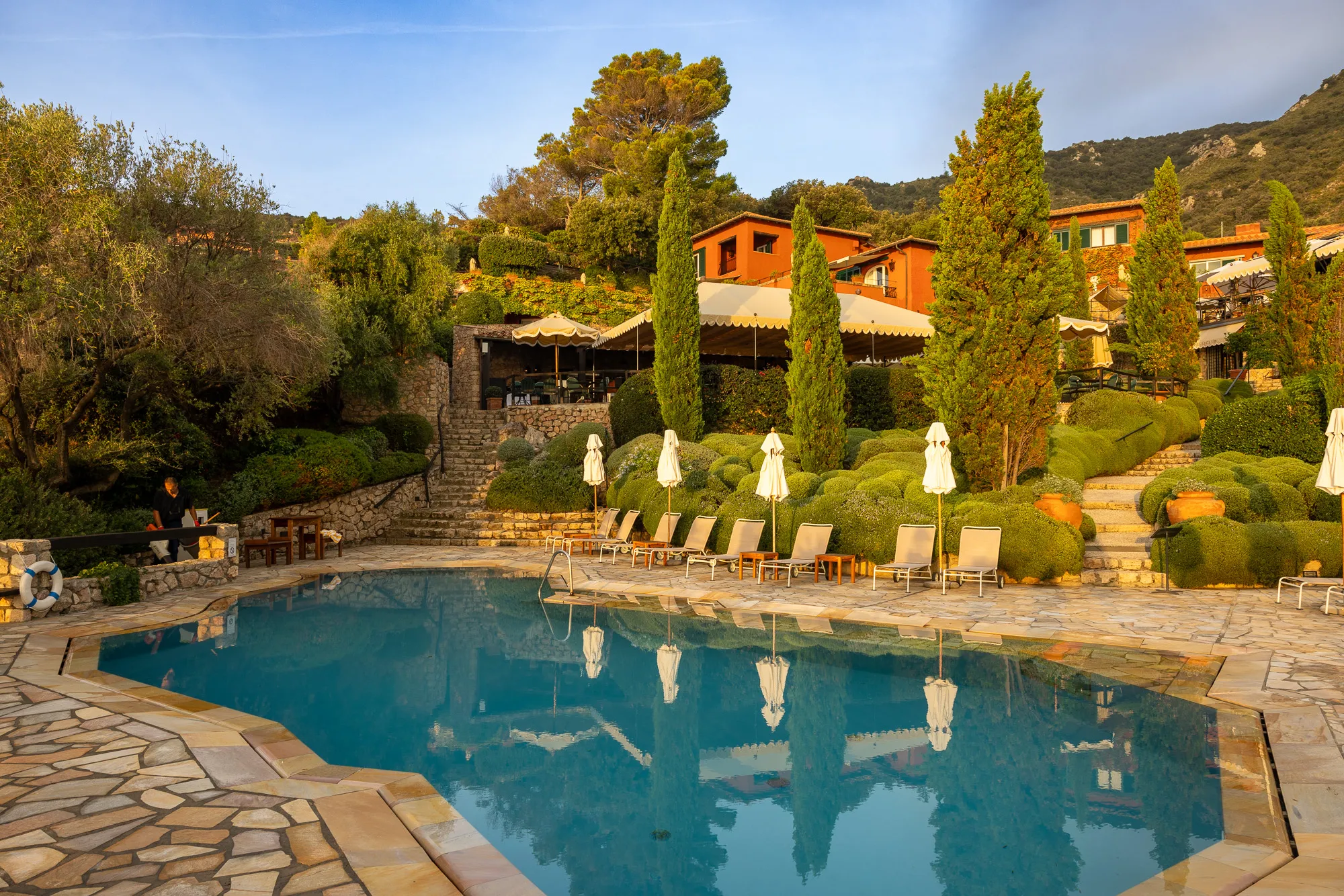
The Hotel du Cap Eden Roc has spent the better part of a century filling its summer calendar with returning guests before the rest of the world has finished planning its spring. Le Sirenuse, perched above Positano, operates on a similar rhythm, the families who hold the best rooms each July have generally held them for years, sometimes for generations. Il Pellicano on the Tuscan coast follows the same pattern, a property whose loyal guests rebook their exact dates and exact rooms before checking out from the previous summer.
The mechanism is straightforward once you understand it. These properties do not need to compete for new guests. Their existing relationships fill the calendar comfortably, year after year, and the small number of rooms that do become genuinely available tend to be claimed by waitlists that have existed for considerably longer than most people realise.
This extends well beyond named hotels. Certain villas in Tuscany and Provence operate the same way, properties that a single family has booked every August for fifteen consecutive years, with an understanding between owner and guest that has never required a written contract. The owner knows the family will return. The family knows the villa will be there for them. Neither side needs to formalise what experience has already established.
For a family encountering this world for the first time, the natural assumption is that money alone resolves the problem. It does not. Money secures access to availability that exists. It cannot manufacture availability that has already been spoken for by relationships built over years, sometimes decades, of returning custom.
What money can do, combined with the right relationships, is shorten the distance between wanting something and understanding whether it is genuinely possible. A waitlist position secured eighteen months in advance through an existing relationship with a property is an entirely different proposition to a request made six weeks before a summer holiday with no prior history attached to it. The first has a reasonable chance. The second, for the most sought after properties, very often does not.
This is also why last minute luxury becomes increasingly difficult at the highest level, almost the inverse of how availability typically works in travel. A standard hotel often has more flexibility closer to the date as cancellations appear. The most exceptional properties tend to have the opposite problem. Their waitlists are populated by people who have been waiting for years, and a cancellation rarely makes it past the first name on that list.
The families who navigate this world successfully understand a simple truth that has very little to do with budget. The best experiences in European hospitality are frequently not available to be bought. They are available to be planned for, often years ahead of the date itself, through relationships that took considerably longer to build than the booking itself ever takes to confirm.