
Why Some Hotels Become Family Traditions
There is a particular kind of loyalty that has nothing to do with rewards programmes or points balances.
Certain families return to the same hotel for ten years, twenty years, sometimes thirty, and the reason is rarely that it remains the newest or the most fashionable property available to them. The reason is simpler than that. The hotel knows them.
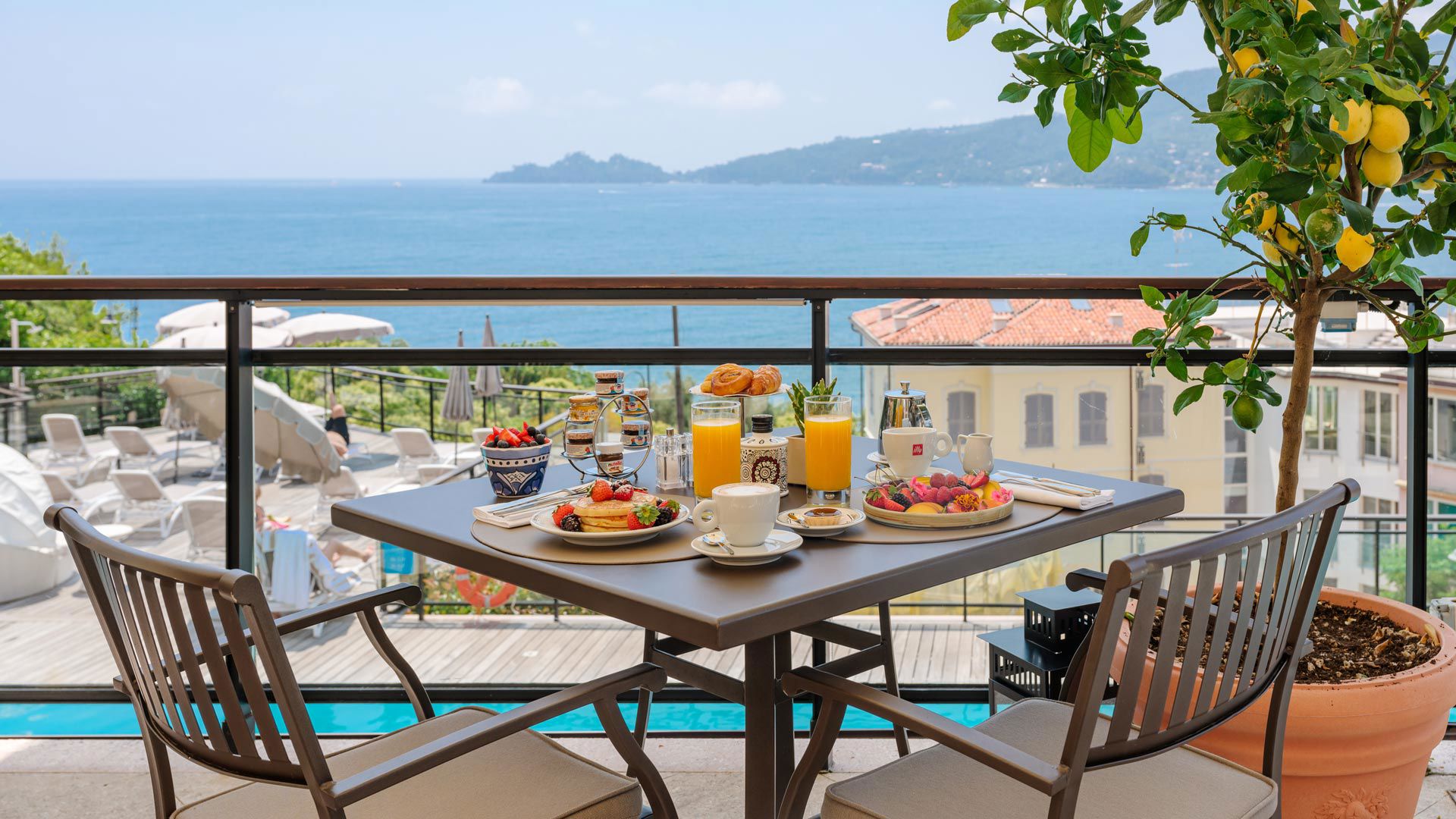
The staff remember which suite the family prefers before a request is made. The waiter at breakfast already knows which child does not eat eggs and which parent takes their coffee a particular way. The same room, often, has been theirs for so many summers that asking for it has become unnecessary. It is simply held.
This is not nostalgia. It is something closer to a quiet form of trust that compounds over time.
For families who travel together across generations, that familiarity becomes part of the holiday itself. Grandparents who have stayed in the same suite for two decades. Children who grew up swimming in the same pool their parents swam in as children. A staff team that has, in some cases, watched a family grow across thirty years of summers, weddings discussed at breakfast, grandchildren introduced for the first time on the same terrace where their parents once played as children themselves.
There is a reason this matters more than novelty, and it has very little to do with the property itself.
A new hotel, however extraordinary, asks something of its guests. It asks them to explain their preferences, to establish trust from nothing, to hope that the staff will eventually understand what they need. A hotel a family has visited for fifteen years asks nothing of the sort. The understanding already exists. The holiday can simply begin.
This is also why the search for novelty, so often assumed to be what wealthy travellers want, is frequently the opposite of what they actually choose once they have the means to choose freely. The newest opening, the most discussed property, the destination everyone is suddenly visiting, these hold a particular appeal for a season or two. But the families who have been doing this for generations tend to settle, eventually, into a small handful of places that simply work. Properties that know them. Staff who anticipate rather than ask.
The best hotels understand this distinction clearly. They are not competing to be the most exciting choice available this year. They are competing to become the place a family returns to without considering the alternative.
That is a considerably harder thing to build than a beautiful lobby or an impressive spa. It requires years, attentiveness, and a genuine institutional memory of who a family is and what they need. The hotels that manage it rarely need to advertise. The families who have found them do not look elsewhere.
The most luxurious holiday a family can take is sometimes the least adventurous one on paper. Not because nothing changes, but because the one thing that matters most, being properly known, never has to be rebuilt from scratch.